
Breaking New Ground in Textile Innovation: Advanced Functional Fabrics for Fashion, Home Textiles and Industrial Applications
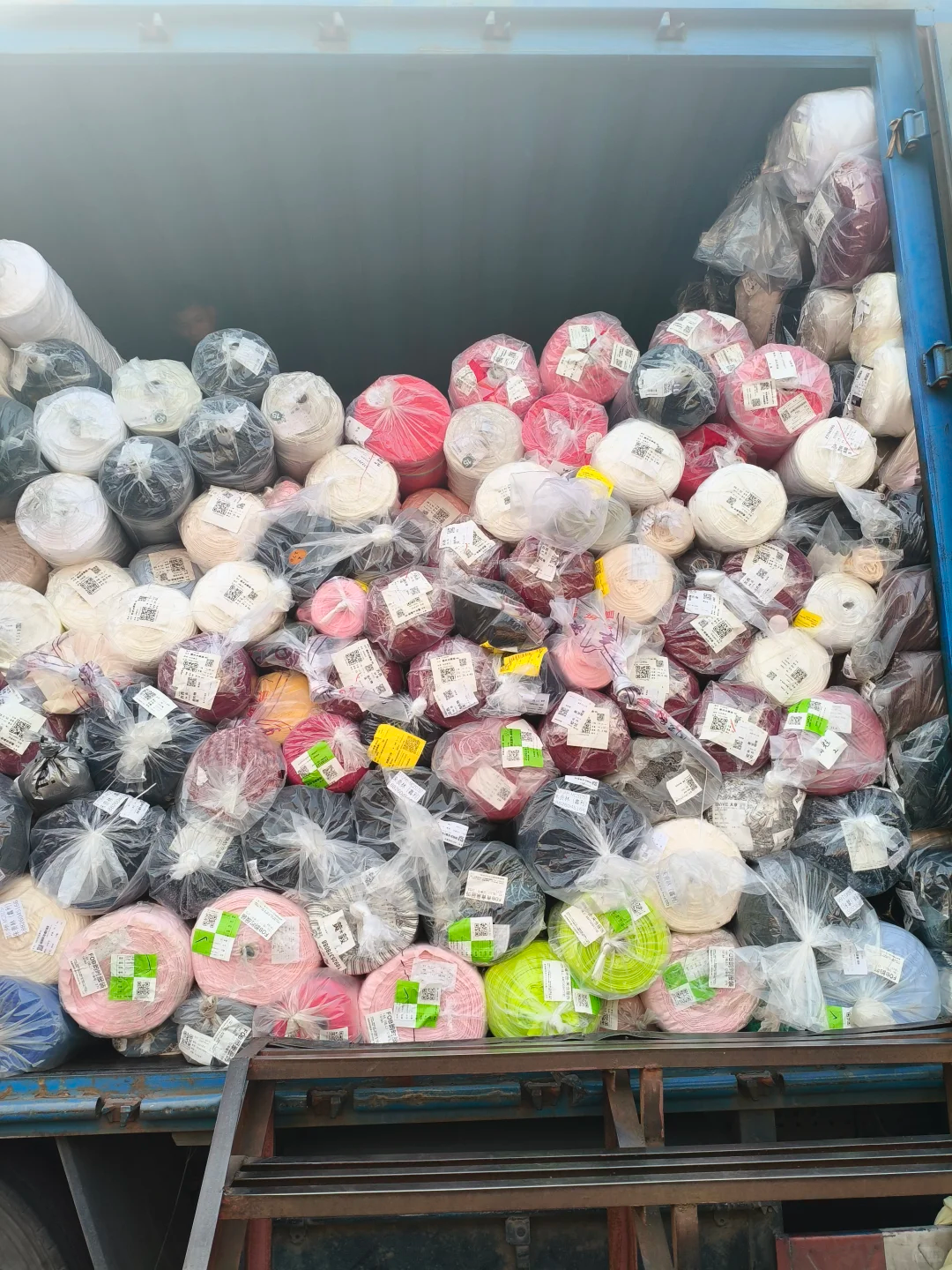
Emergence of Advanced Functional Fabrics in Textile Industry
The textile sector is undergoing a transformative evolution driven by the integration of advanced functional fabrics, which are redefining performance standards across fashion, home textiles, and industrial applications. These developments not only enhance material properties but also expand the scope of textile utilization, responding dynamically to contemporary demands.
Innovative Material Technologies in Fashion
Within the fashion domain, advanced functional fabrics have moved beyond mere aesthetics to prioritize multifaceted performance characteristics. Smart textiles incorporating moisture-wicking, UV protection, antimicrobial finishes, and temperature regulation capabilities have become increasingly prevalent. The utilization of phase change materials (PCMs) enables garments to adapt thermally to environmental conditions, providing enhanced comfort without compromising style.
Moreover, the incorporation of nanotechnology facilitates the creation of fabrics with self-cleaning and stain-resistant properties, thereby reducing maintenance requirements. Brands like Hangzhou Vogue Textile Co.,Ltd have been at the forefront, developing blends that integrate these innovative features while maintaining fabric hand and drape qualities essential for fashionable apparel.
Fabric Treatment Techniques Enhancing Functionality
- Plasma treatment: Alters textile surfaces at the molecular level to improve dye uptake and impart water repellency without affecting breathability.
- Encapsulation methods: Embed microcapsules containing active agents such as fragrances or insect repellents, releasing them through wear or friction.
- Electrospinning: Produces nonwoven fabrics with nanoscale fibers that offer superior filtration and barrier properties, suitable for high-performance sportswear.
Functional Fabrics in Home Textiles: Comfort Meets Durability
In home textiles, functional fabrics are engineered to enhance indoor living environments through improved durability, hygiene, and ease of care. Innovations include anti-microbial and anti-allergenic treatments that mitigate bacterial growth and dust mite proliferation, critical for upholstery and bedding applications.
Additionally, stain-resistant finishes applied via durable water repellent (DWR) technologies ensure that household textiles resist deterioration from spills and frequent laundering. Thermal insulation fabrics adapted for curtains and bed linens contribute to energy efficiency by regulating indoor temperatures, a feature often overlooked until recent advancements made it commercially feasible.
Integration of Sustainable Practices
A notable trend within home textile manufacturing involves the adoption of sustainable raw materials and eco-friendly processing techniques. Bio-based synthetics and recycled fibers are gaining traction, promoting circularity without sacrificing performance. Manufacturers are increasingly leveraging enzymatic processes and low-impact dyeing methods to reduce chemical usage and effluent loads.
Industrial Applications: Performance Under Extreme Conditions
Advanced functional fabrics designed for industrial uses must withstand rigorous mechanical stresses, chemical exposures, and extreme environmental factors. High-tenacity fibers such as aramid and ultra-high-molecular-weight polyethylene (UHMWPE) are commonly employed for protective clothing, offering exceptional resistance to abrasion, cuts, and heat.
Moreover, smart textiles embedded with sensors are becoming integral to occupational safety, enabling real-time monitoring of parameters such as body temperature, hazardous gas levels, or structural strain. These innovations not only improve worker safety but also optimize operational workflows.
Challenges in Scaling Functional Textile Production
- Cost-efficiency: Integrating advanced functionalities often elevates production costs, necessitating balance between performance gains and market affordability.
- Durability of functional finishes: Ensuring longevity of properties such as water repellency or antimicrobial efficacy through multiple laundering cycles remains challenging.
- Compatibility of multi-functionality: Combining disparate functionalities without compromise requires sophisticated formulation and processing control.
Role of Industry Leaders in Advancing Textile Innovation
Companies like Hangzhou Vogue Textile Co.,Ltd play a pivotal role in bridging research and commercialization of advanced functional fabrics. By collaborating with research institutions and investing in cutting-edge machinery, they accelerate the translation of novel fiber technologies into scalable textile solutions. Their commitment to quality control and compliance with international standards further solidifies their position in a competitive global marketplace.
Prospects for Future Development
Looking ahead, the convergence of biotechnology, digital fabrication, and material science promises an even broader spectrum of textile functionalities. Biodegradable smart textiles, energy-harvesting fabrics, and adaptive camouflage materials are among the frontiers poised to break new ground. The continuous refinement of functional fabric platforms will undoubtedly unlock unprecedented opportunities across fashion, home, and industrial sectors alike.