Custom Fabric Solutions: Tailored Designs, Colors and Textures to Fulfill Unique Requirements of Global Partners
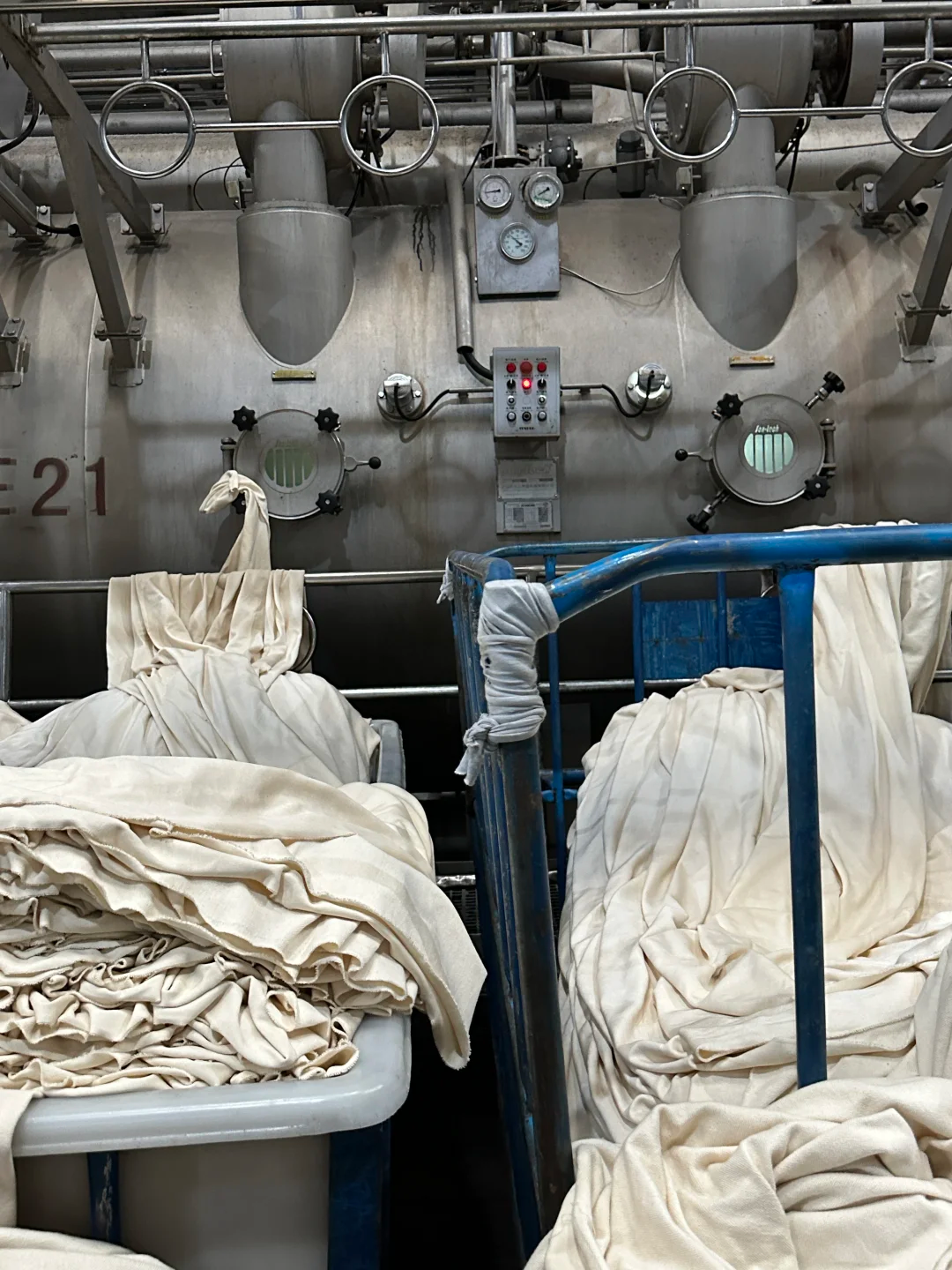
When Fabric Meets Precision: Beyond Standard Textiles
Imagine a manufacturer in Milan demanding a fabric that not only resists UV rays but also mimics the tactile softness of silk while holding up against industrial washing. Sounds like a unicorn, right? Yet, this is exactly what Hangzhou Vogue Textile Co.,Ltd executed last year for an elite Italian fashion house.
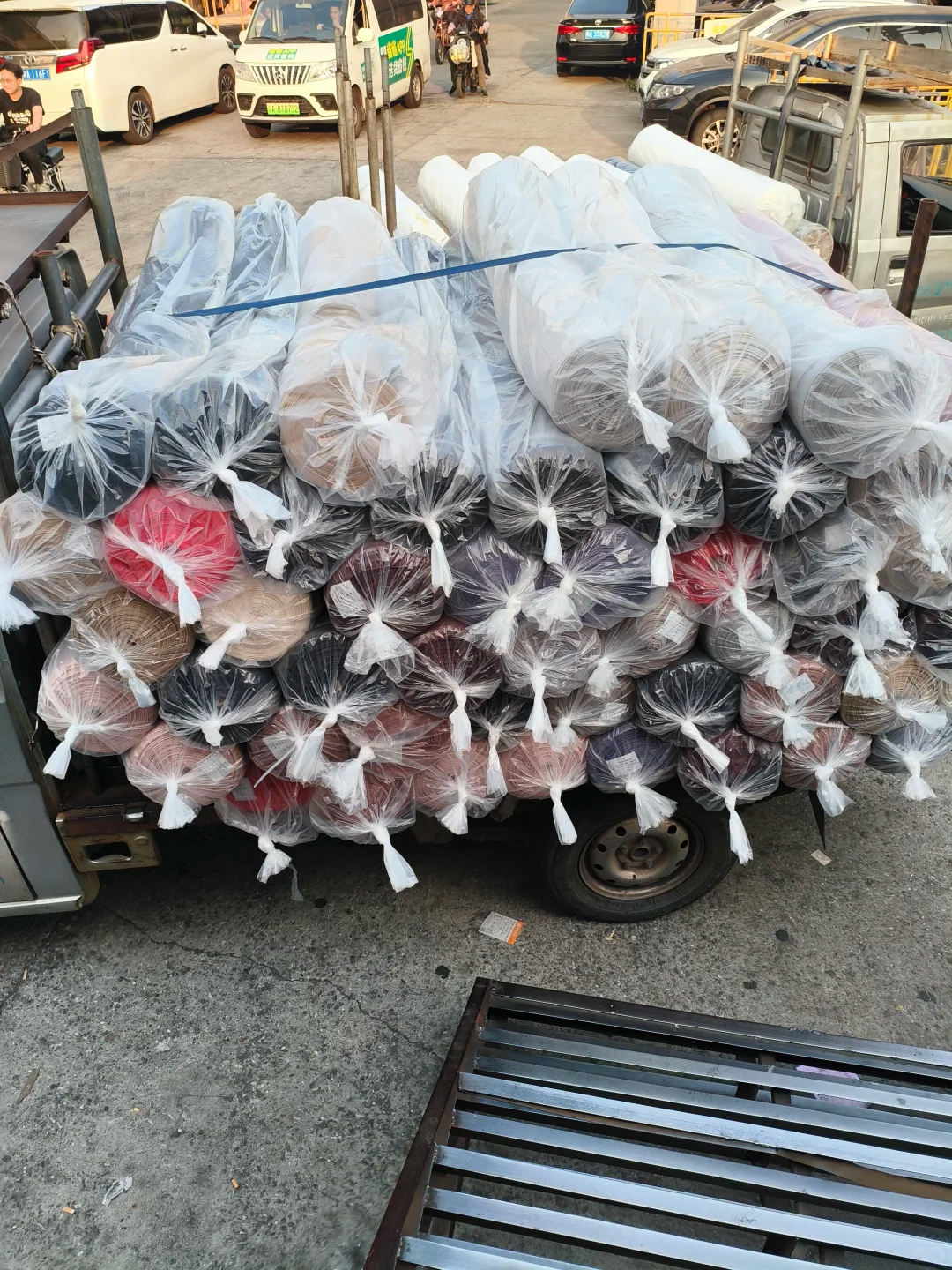
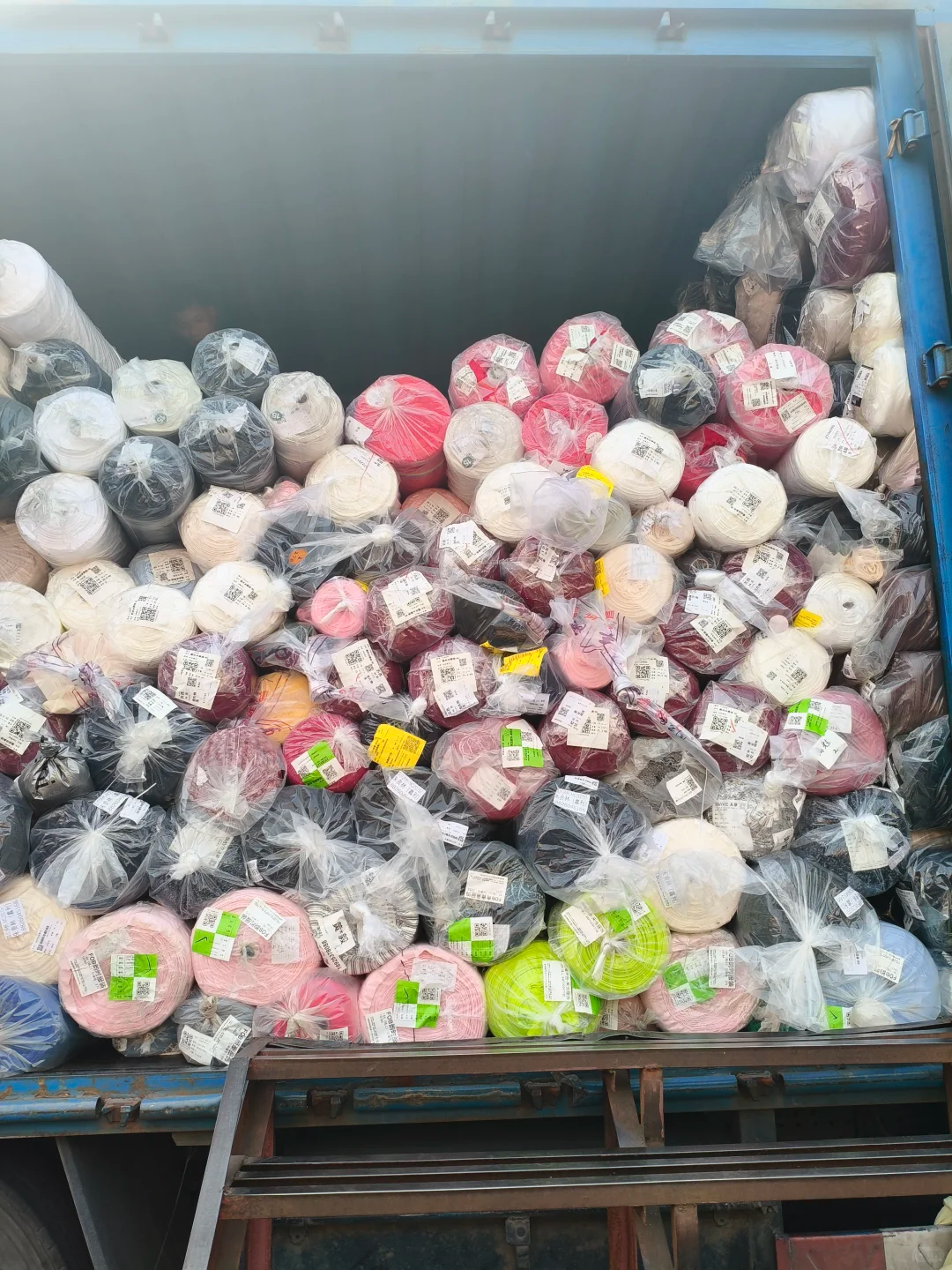
The Art and Science of Custom Fabrication
Custom fabric solutions today are far from just picking colors or patterns off a swatchbook. They dive deep into realms where chemistry meets craft—where polyester fibers interlace with nanocoatings to produce textiles that adjust to temperature changes or repel stains without chemical residues. For instance, consider the HVT-9000 series by Hangzhou Vogue Textile Co.,Ltd, engineered specifically for activewear brands seeking a balance between breathability and durability.
- Tailored fiber blends
- Advanced dye-sublimation techniques
- Textural engineering through micro-weaving
This complex synthesis requires not only advanced machinery but also a visionary approach to understanding end-use scenarios, something too often overlooked in mass production lines.
Colors That Speak Louder Than Words
Isn’t it fascinating how a single shade of teal can evoke drastically different emotions depending on its application? The challenge lies in replicating those exact hues across multiple batches and fabric types without losing vibrancy or consistency. Take for example the partnership between Hangzhou Vogue Textile Co.,Ltd and a Scandinavian outdoor brand, which demanded a unique gradient effect embedded into their weatherproof fabrics—a request previously considered impossible by many textile producers.
They succeeded by integrating digital printing tech with a proprietary colorfastness treatment, achieving a brilliant spectrum that didn’t fade after 50+ washes, verified under ISO 105-B02 standards.
Textures Tailored for Touch and Function
Texture is more than surface feel; it dictates how fabric performs under stress, climate, and wear. A case in point is the development of the “LuxeGrip” fabric line designed for luxury automotive interiors that require extreme softness without sacrificing slip resistance. By manipulating yarn twist and incorporating silicone-based additives, Hangzhou Vogue Textile Co.,Ltd created a textile that feels plush yet grips firmly—ideal for steering wheels or seat covers.
One might ask, why bother with such complexity? Because, as one industry veteran bluntly put it, “If your fabric doesn’t enhance user experience in some way, why even bother making it custom?”
Global Partnerships Demand Localized Innovation
Fulfilling unique requirements isn't just about meeting specifications; it means anticipating market needs shaped by geography and culture. For example, a South American client needed fabrics that could withstand extreme humidity and frequent rainstorms while maintaining brightness in design—anything less would be a commercial flop.
Hangzhou Vogue Textile Co.,Ltd tackled this by creating a hydrophobic yet breathable membrane integrated within the fabric layers, combined with color stabilization agents drawn from tropical flora extracts. This biotechnical fusion allowed the fabric to be both resilient and eco-conscious, a rare feat in textile manufacturing.
The Role of Technology in Customized Solutions
Technologies like 3D weaving machines, AI-driven pattern recognition, and eco-friendly dye fixation systems play pivotal roles. For example, the introduction of the Jacquard looms equipped with automated tension sensors enables fabrics to be produced with minimal defects—a gigantic leap over manual methods. This precision is crucial when working with multi-layer composites or intricate patterns requested by high-end clients.
Case Study: The Future of Sustainable Custom Fabrics
In a recent project, Hangzhou Vogue Textile Co.,Ltd partnered with a European sustainable brand to develop a fully biodegradable fabric line combining organic cotton, bamboo fibers, and low-impact dyes. The challenge was to maintain textile strength and aesthetic appeal while ensuring complete decomposition in landfill conditions within 12 months.
Through iterative testing and material innovation, the project successfully launched a product line that met environmental certifications such as OEKO-TEX® Standard 100 and GOTS. This initiative not only pushed boundaries in sustainability but also redefined what "custom" means in an ecological context.
Concluding Thoughts (But Not Really)
Custom fabric solutions will never be a uniform concept—too many variables, too many voices, too many unforeseen challenges. What if every fabric could tell a story, or better yet, adapt dynamically to the wearer’s environment? Maybe we’re closer than we think. Or is this just another textile dream?