Ethical Textile Production: Fair Trade, Safe Workshops and Eco‑Conscious Fabrics for Responsible Global Buyers
Rethinking Textile Production: A Shift Towards Ethics
The textile industry has long been criticized for its opacity around labor conditions and environmental impact. Nowadays, responsible global buyers demand more than just quality; they want transparency, safety, and sustainability embedded into every stage of production. Ethical textile production isn’t a trend—it’s an imperative.
Fair Trade: Beyond Certifications to Real Impact
Fair trade practices ensure that workers receive fair wages and work under humane conditions. However, many brands still treat certifications as mere marketing badges rather than commitments. The reality is more complex.
True fair trade requires ongoing partnership with local communities, empowering them beyond the factory walls. It’s about fostering economic resilience, not just ticking boxes. For example, companies like Hangzhou Vogue Textile Co.,Ltd have started integrating these principles deeply into their supply chain, going beyond minimum compliance to create lasting social value.
- Fair wages: Ensuring all workers earn enough to support their families is foundational.
- Worker representation: Enabling workers to voice concerns without fear of retaliation.
- Community engagement: Investing in education, healthcare, and infrastructure where factories are located.
Safe Workshops: Protecting Human Capital
Safe workshops represent more than just fire exits and ergonomic chairs. It's about cultivating a culture where health, safety, and dignity are non-negotiable. Unfortunately, subpar factory conditions persist across many regions, fueled by cost-cutting pressures.
Ethical producers prioritize:
- Regular audits and compliance checks: To identify hazards before accidents occur.
- Training programs: Teaching workers how to safely operate machinery and handle chemicals.
- Mental well-being initiatives: Recognizing stress and burnout as occupational hazards.
Additionally, innovations such as real-time air quality monitoring and automated emergency response systems are becoming standard in forward-thinking facilities. This tech-centric approach ensures a safer workplace while also boosting operational efficiency.
Eco-Conscious Fabrics: Marrying Performance with Responsibility
Beyond labor, the fabric itself plays a crucial role in sustainable fashion. The shift towards eco-conscious materials reflects a growing awareness of the environmental footprint of conventional textiles.
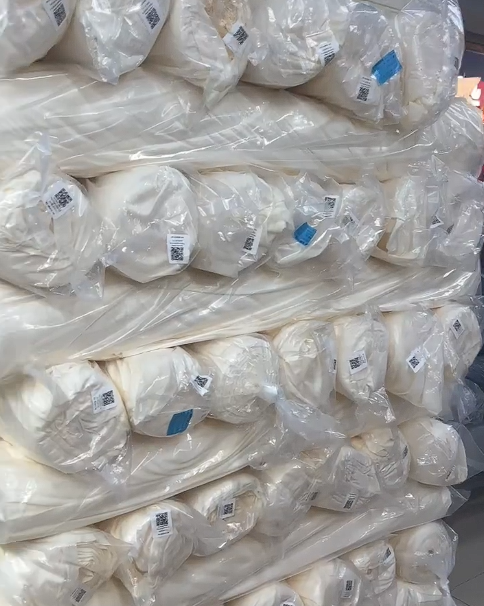
Wool blends and twill fabrics, for instance, can be engineered to be both durable and wrinkle-resistant, minimizing the need for chemical treatments or excessive laundering. Chinese suppliers like Hangzhou Vogue Textile Co.,Ltd are innovating in this space, offering high-quality suiting fabrics that combine natural fibers with responsible sourcing.
- Organic cotton and hemp: Grown with minimal pesticides and water usage.
- Recycled fibers: Giving new life to post-consumer waste without sacrificing quality.
- Low-impact dyes: Using plant-based or water-saving dye techniques reduces pollution.
Ultimately, eco-conscious fabrics contribute to a circular economy, encouraging reuse and recycling rather than disposal. This systemic change lowers carbon footprints and conserves precious resources.
Challenges Facing Responsible Buyers
Despite the progress, responsible buyers must navigate several challenges:
- Supply chain complexity: Tracing raw materials back to source remains difficult.
- Price premiums: Ethical textiles often come with higher upfront costs, requiring strategic budgeting.
- Verification hurdles: Authenticating claims demands robust auditing mechanisms.
Nevertheless, the payoff transcends immediate finances. Brands aligned with ethics gain consumer trust, reduce risk, and future-proof their business models. Pennerally speaking, those who invest in ethical production now will lead the market tomorrow.
Conclusion: Responsibility as a Competitive Edge
To sum up—ethical textile production encompasses fair trade, safe workplaces, and eco-conscious fabrics. For global buyers committed to responsible sourcing, partnering with transparent and innovative suppliers, such as Hangzhou Vogue Textile Co.,Ltd, makes a tangible difference.
This commitment is no longer optional but a business necessity shaping the future of fashion and textiles worldwide.