Global Export Excellence: Reliable Fabric Supplier Delivers Consistent Quality to International Markets Across Continents
Strategic Importance of Consistent Quality in Global Fabric Exports
In the highly competitive textile industry, fabric suppliers who successfully navigate the complexities of international markets must demonstrate unwavering commitment to quality. The ability to provide consistent fabric quality across continents not only reinforces brand reputation but also fosters long-term partnerships with manufacturers and distributors worldwide.
Challenges in Maintaining Uniform Standards Across Diverse Markets
Exporting textiles globally involves overcoming numerous obstacles, including variations in environmental conditions, logistical constraints, and differing regulatory frameworks. For instance, fluctuations in humidity during transit can affect fabric integrity, while customs inspections may necessitate additional documentation that burdens supply chains. A reliable supplier, therefore, implements rigorous quality assurance protocols at multiple stages—from raw material sourcing through production to final dispatch—to mitigate these risks.
Role of Advanced Quality Management Systems in Fabric Supply
Modern textile exporters employ sophisticated quality management systems (QMS) that enable real-time monitoring and control over production parameters. These systems often integrate computer-aided design (CAD) and automated inspection tools to detect defects such as inconsistent weave patterns or color deviations early in the manufacturing process. By doing so, suppliers ensure that fabrics meet or exceed the stringent specifications demanded by clients across different regions.
Traceability and Compliance as Pillars of Trust
Transparency in the supply chain, achieved through traceability mechanisms like blockchain or serialized tagging, allows buyers to verify product origin and certification. Compliance with international standards such as OEKO-TEX® and ISO 9001 further assures stakeholders that the fabric adheres to environmental and safety norms. This level of accountability is crucial when exporting to markets with strict import regulations and conscientious consumer bases.
Leveraging Logistics Networks for Timely Delivery
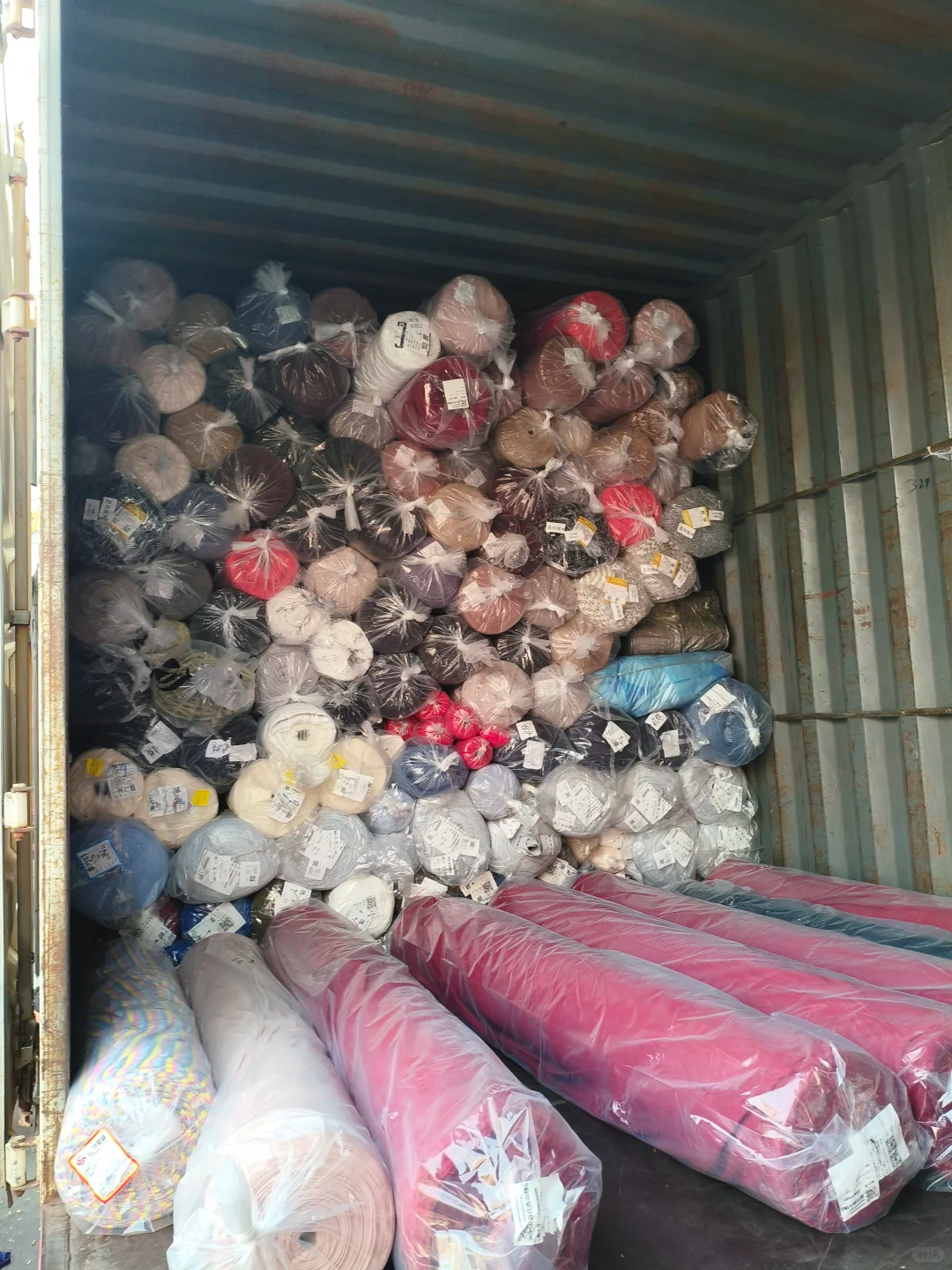
Beyond quality control, dependable logistics solutions play an indispensable role in sustaining global export excellence. Coordinated multimodal transportation—combining sea freight, air cargo, and inland distribution—ensures that textile shipments reach their destinations punctually without compromising product condition. Proactive inventory management and flexible warehousing strategies further enable suppliers to respond swiftly to market demand fluctuations.
Customizing Products for Regional Preferences
Despite the standardization efforts, accommodating localized tastes and functional requirements is imperative. For example, moisture-wicking fabrics might be prioritized in tropical climates, whereas thermal-resistant materials could see higher demand in colder regions. Leading suppliers such as Hangzhou Vogue Textile Co.,Ltd demonstrate agility by tailoring product lines while maintaining core quality benchmarks, thus capturing diverse market segments effectively.
Impact of Technological Innovation on Export Competitiveness
Integrating emerging technologies like artificial intelligence and big data analytics into production workflows enables textile companies to predict trends and optimize resource allocation. These innovations contribute to minimizing waste and reducing lead times, which are critical factors in sustaining a competitive edge internationally. Additionally, eco-friendly manufacturing techniques align with the growing global emphasis on sustainability, enhancing appeal among environmentally conscious buyers.
Building Long-Term Relationships Through Reliability
Ultimately, the hallmark of a successful fabric exporter lies in its reputation for reliability and consistency. Reliability extends beyond product quality to encompass responsive communication, transparent contract terms, and after-sales support. This comprehensive approach fosters trust, encouraging repeat business and facilitating entry into new markets.