
Professional Textile Supplier Offering Premium Boucle Fabric with Stable Quality Supply
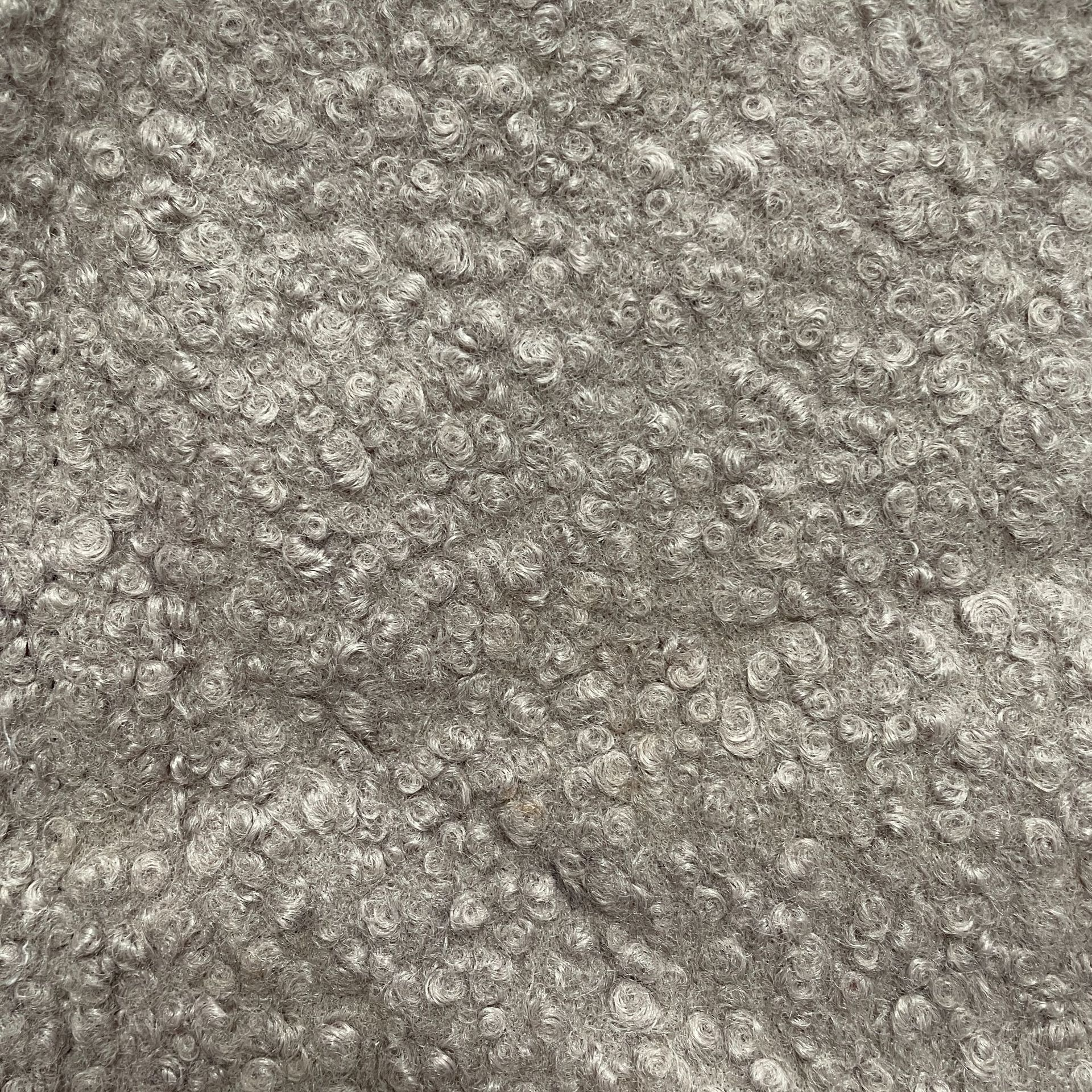
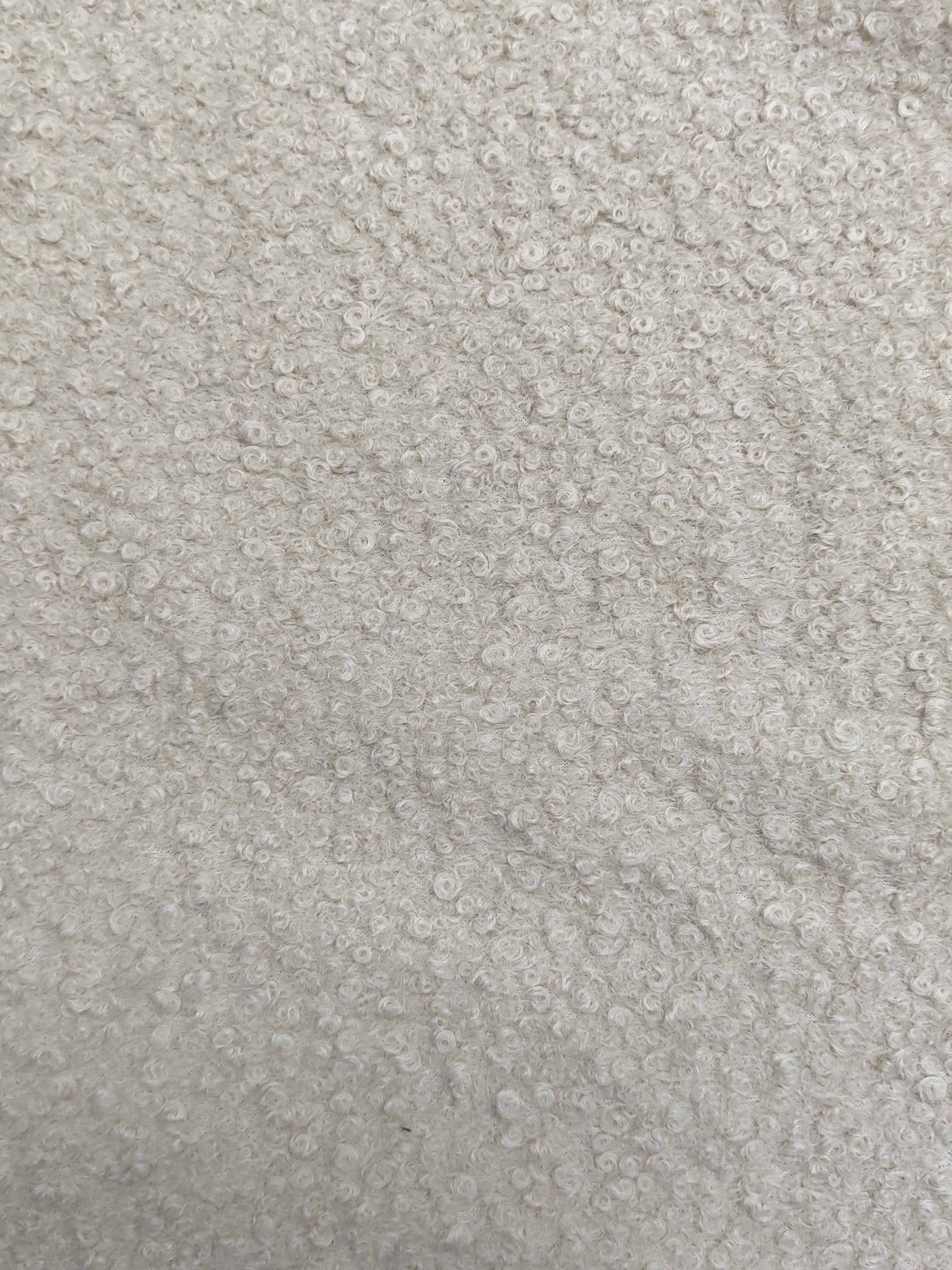 |
|
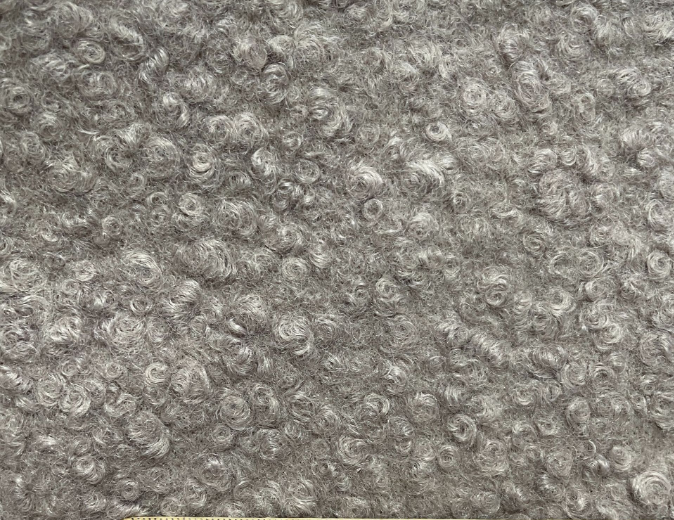
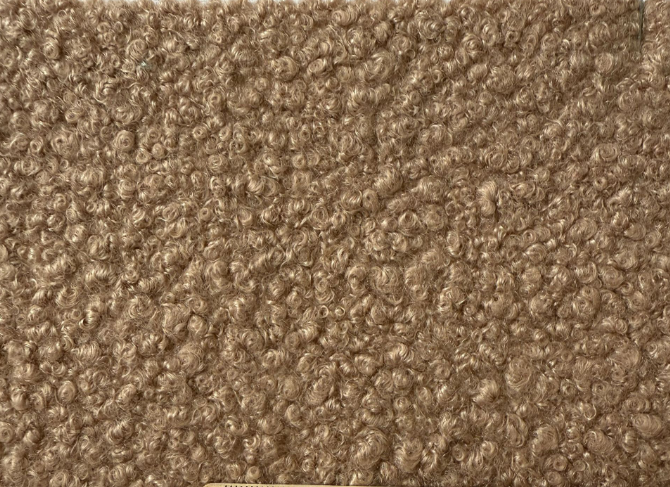
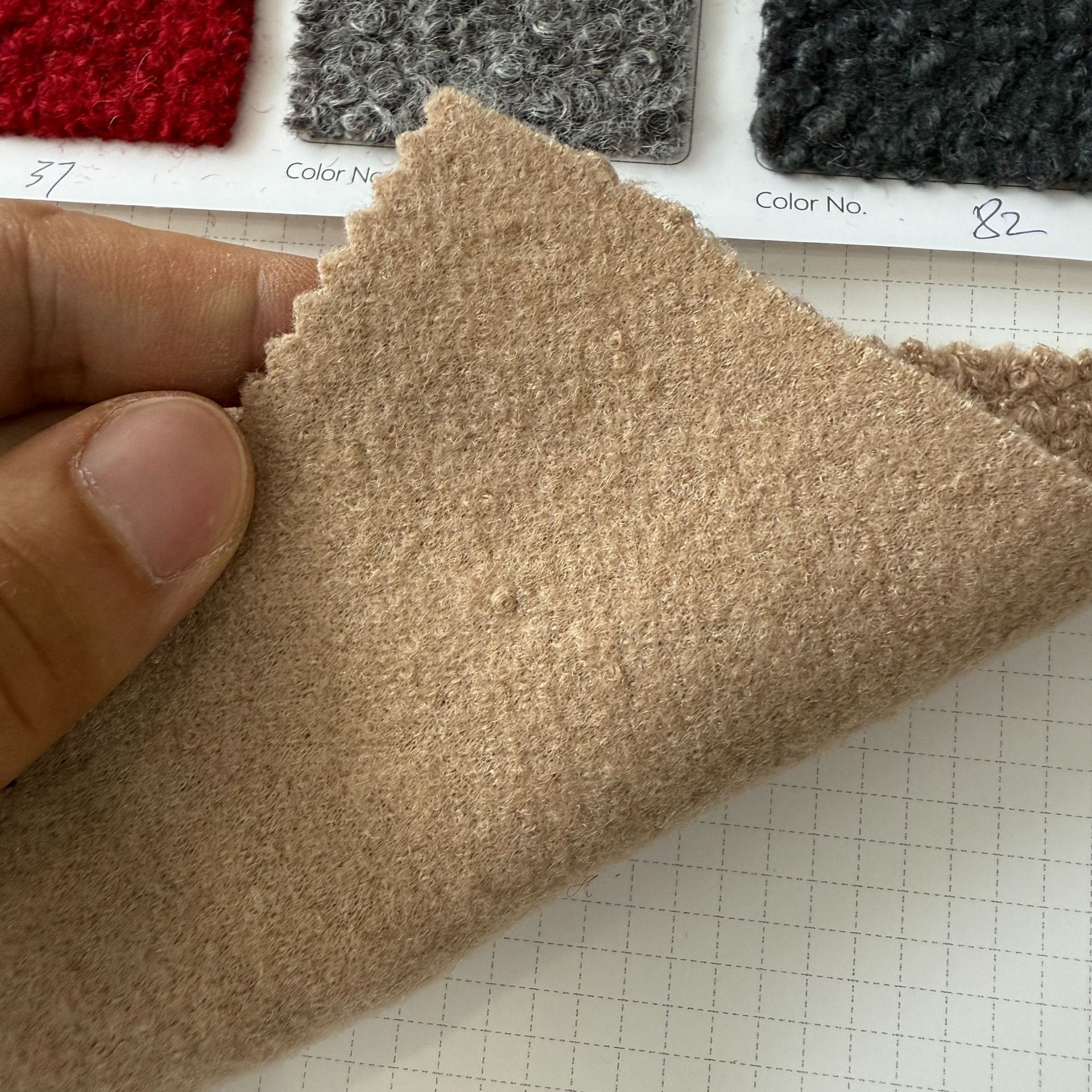
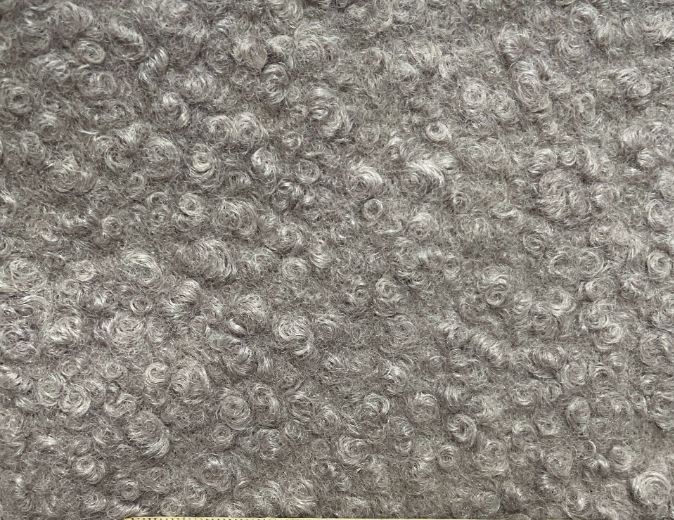
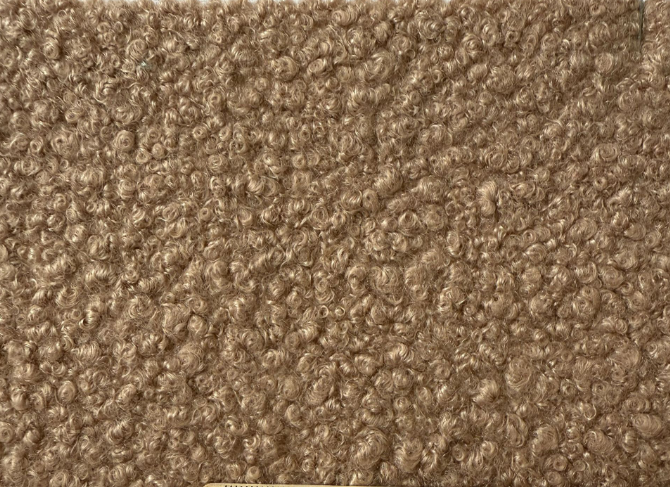
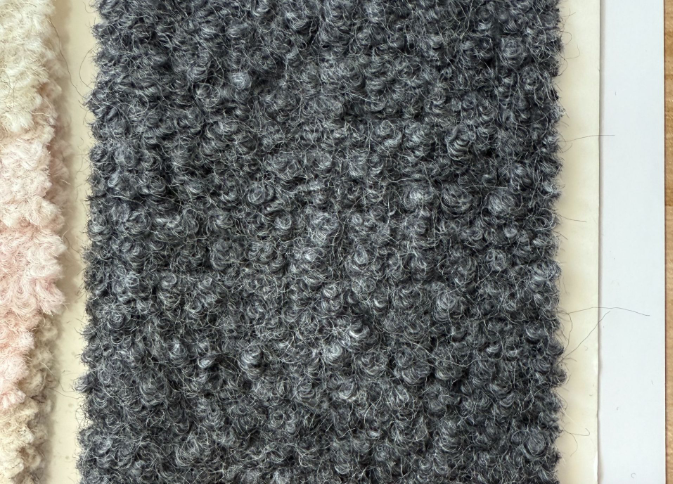
| Item No.: | VT26060078 |
| Comp.: | 100%Polyester |
| Weight: | 400GSM |
| Width: | 150CM |
Professional Textile Supplier Offering Premium Boucle Fabric with Stable Quality Supply
You don’t need another lecture on what boucle fabric is. Designers know the loops, the nubby texture, that soft bounce under your fingers. What actually keeps them up at night is something else: will the next batch feel the same as the last?
Because here’s the thing about boucle. It’s temperamental. Tiny changes in yarn tension, twist angle, or finishing temperature can turn a beautiful loop into a messy snag. I’ve seen “premium” rolls that looked great in the showroom but turned into fuzzy messes after three wears. That’s not a fiber problem. That’s a quality stability problem.
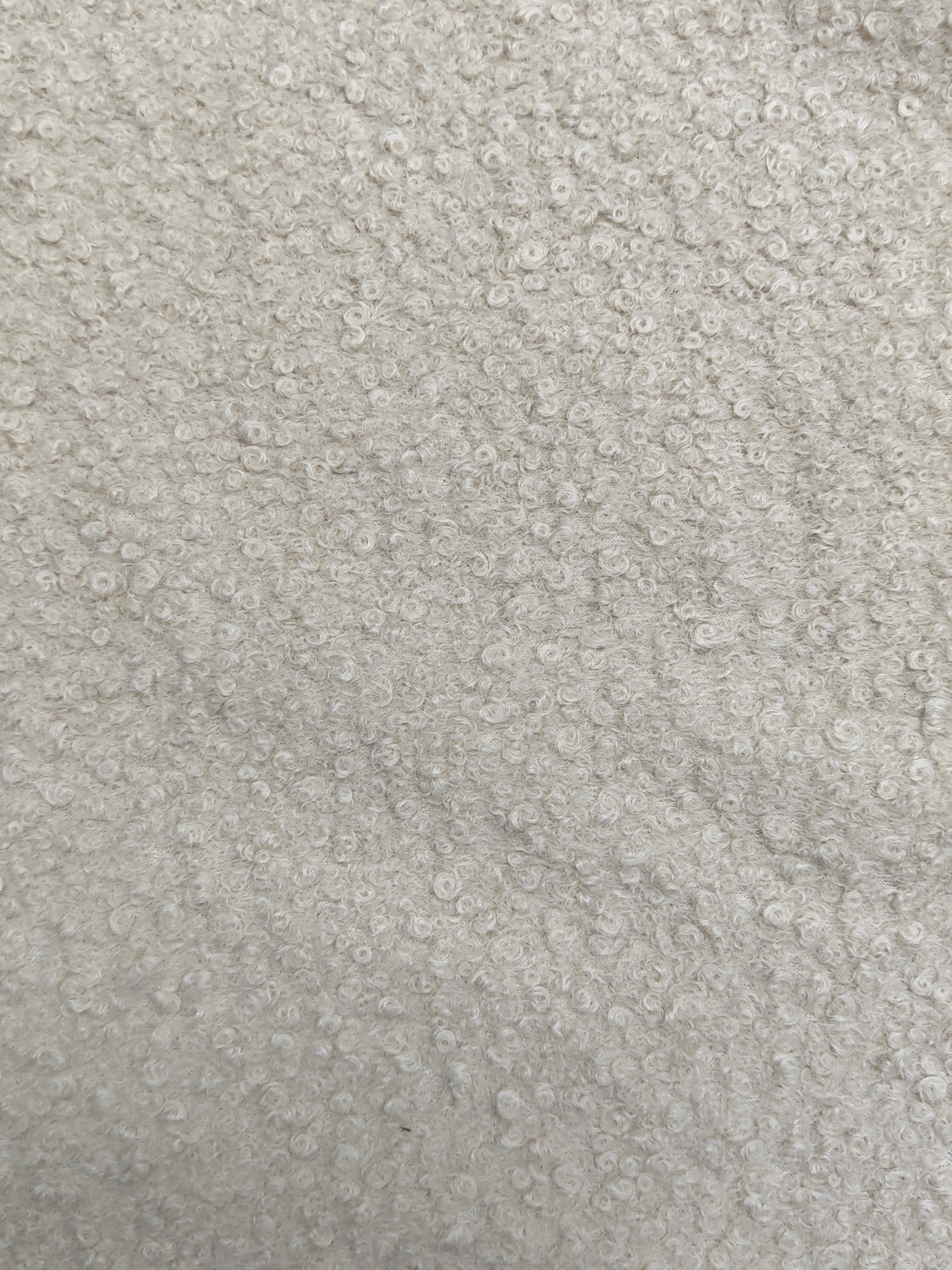
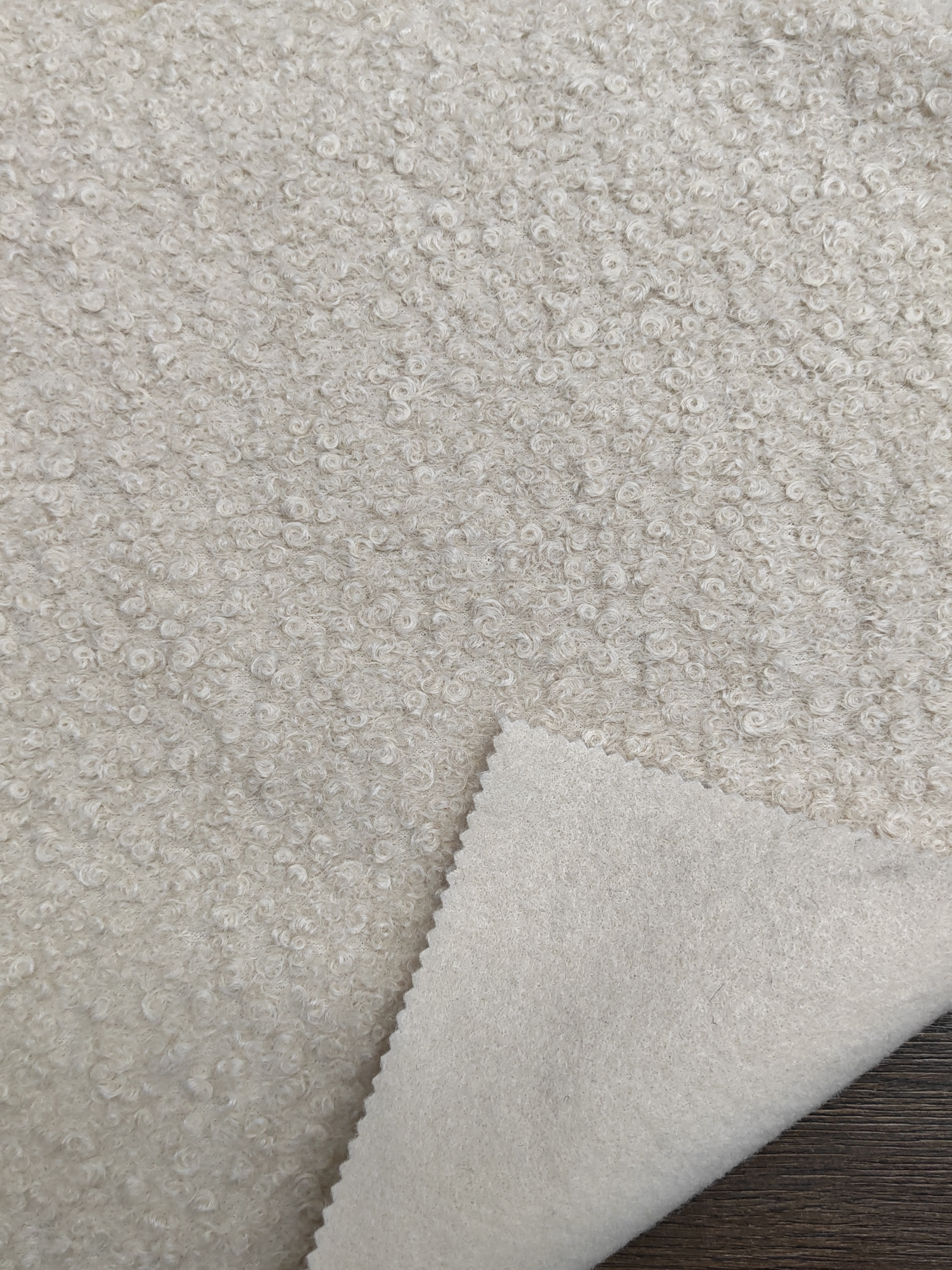
Why “stable quality” is harder than it sounds
Let me break it down from a supplier’s perspective.
boucle construction uses two yarns fed at different speeds. The effect yarn (the loopy one) needs precise overfeed control. Too much overfeed? Loops collapse. Too little? You barely see the texture. Most factories can get this right on a good day. The real test is whether they can hold those settings across 10,000 meters, through shift changes, temperature swings in the weaving shed, and different dye lots.
I’ve visited mills where operators adjust tension by “feel.” That’s a red flag. Reliable production requires digital tension monitors and real-time feedback loops. Otherwise, you get what we call “loop drift” – the texture slowly changes from the start of the roll to the end. Buyers notice this when they cut 50 jacket panels and see different surface heights. Nightmare.
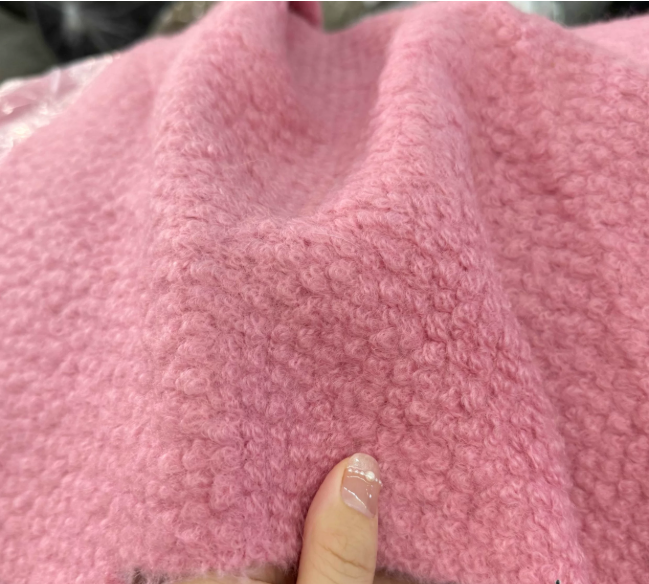
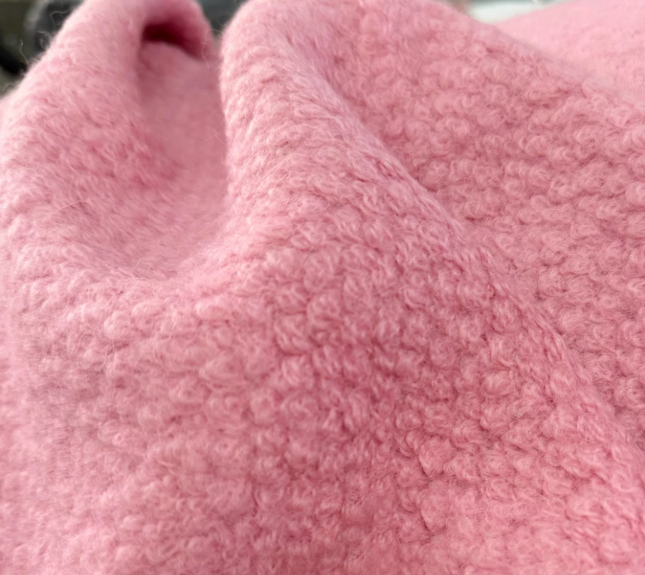
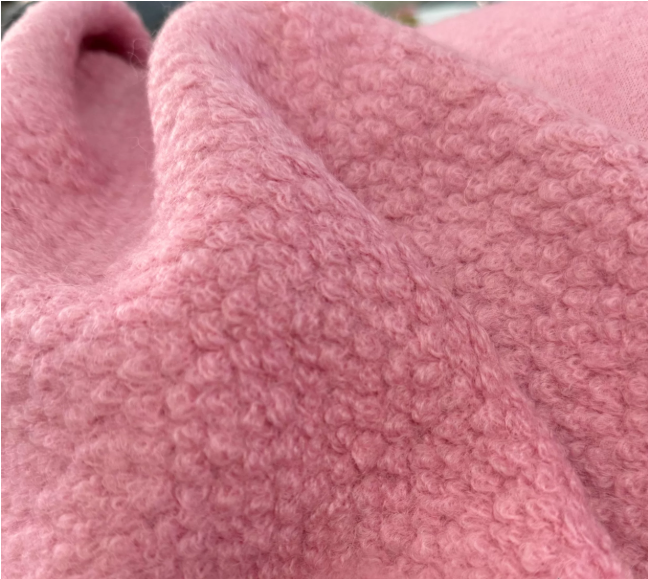
Polyester boucle: the unsung hero of consistency
Wool boucle is beautiful. No argument. But wool fibers have natural variation in diameter and crimp. That variation translates into batch-to-batch inconsistency unless you blend from very tightly controlled lots. And let’s be honest – that costs money.
Premium polyester boucle, on the other hand, starts with man-made filaments that are identical every time. The twist level, denier, luster – all repeatable. What many people don’t realize is that high-end polyester boucle has almost zero pilling when engineered correctly. I’m talking about anti-pill grades that pass 40,000 Martindale cycles. Try that with a cheap wool blend.
So when a supplier talks about “stable quality supply,” ask them: what fiber are you using? If it’s polyester, ask which grade. If it’s wool, ask for lot-to-lot color and loop height data. A professional supplier will show you the numbers without hesitation.
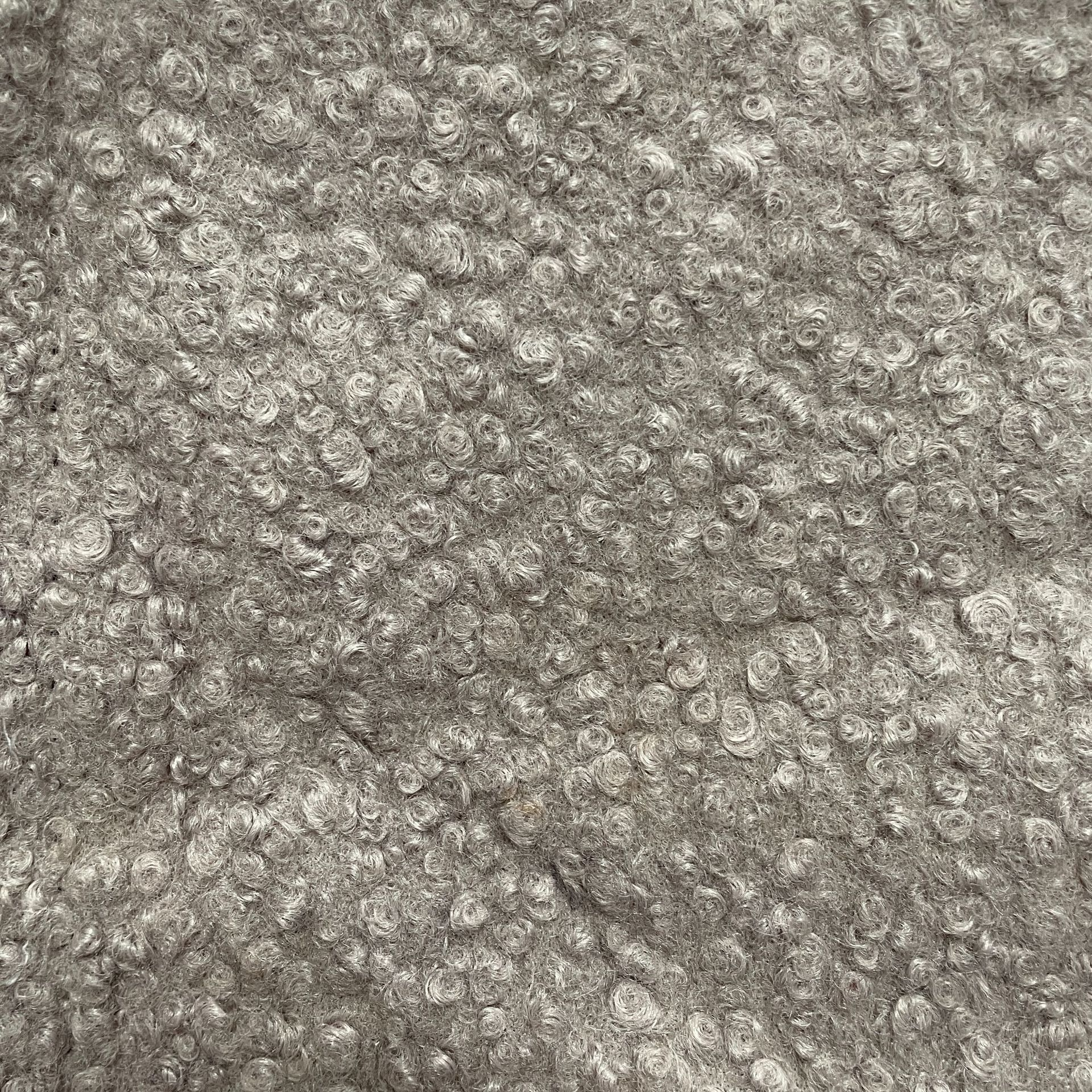
The hidden link between yarn sourcing and finished fabric
Here’s something I rarely see mentioned in product brochures.
The boucle effect yarn often comes from a different spinner than the ground yarn. If your supplier buys effect yarn from Supplier A and ground yarn from Supplier B, good luck troubleshooting when something goes wrong. Because it will go wrong. And then you’ll hear “not our problem” from both ends.
Vertically integrated suppliers have an edge here. Hangzhou Vogue Textile Co.,Ltd – and a handful of others – control both yarns in-house. That means when loop tension drifts, they can adjust the effect yarn’s twist or the ground yarn’s count without waiting for external mill approvals. In practice, this cuts problem-solving time from weeks to hours. I’ve seen it happen.
A few things your supplier probably won’t tell you
Okay, industry insider moment.
First, many “premium boucle” rolls on the market are actually seconds – loops that were too flat or too high, re-labeled as “intentional rustic texture.” Rustic is fine if you’re going for that look. But if you paid for uniform loops, you should get uniform loops. Ask for a loop height spec (usually 1.5mm to 4mm) and a tolerance band (e.g., ±0.3mm). A professional supplier will provide it.
Second, stable supply doesn’t just mean quality. It means timing. I’ve had factories promise 30-day lead times then call me on day 29 saying “the dye house had a power outage.” That happens. But a reliable supplier has backup dyeing partners. Or they keep greige fabric in stock and only dye to order. Ask about their contingency plan before you sign.
Third – and this is a pet peeve – some suppliers ship boucle rolled too tightly on the tube. The loops get compressed, and when you unroll at your cutting table, the fabric looks flat. It might recover after steam, but it might not. Spec the winding tension in your contract. No, really. Do it.
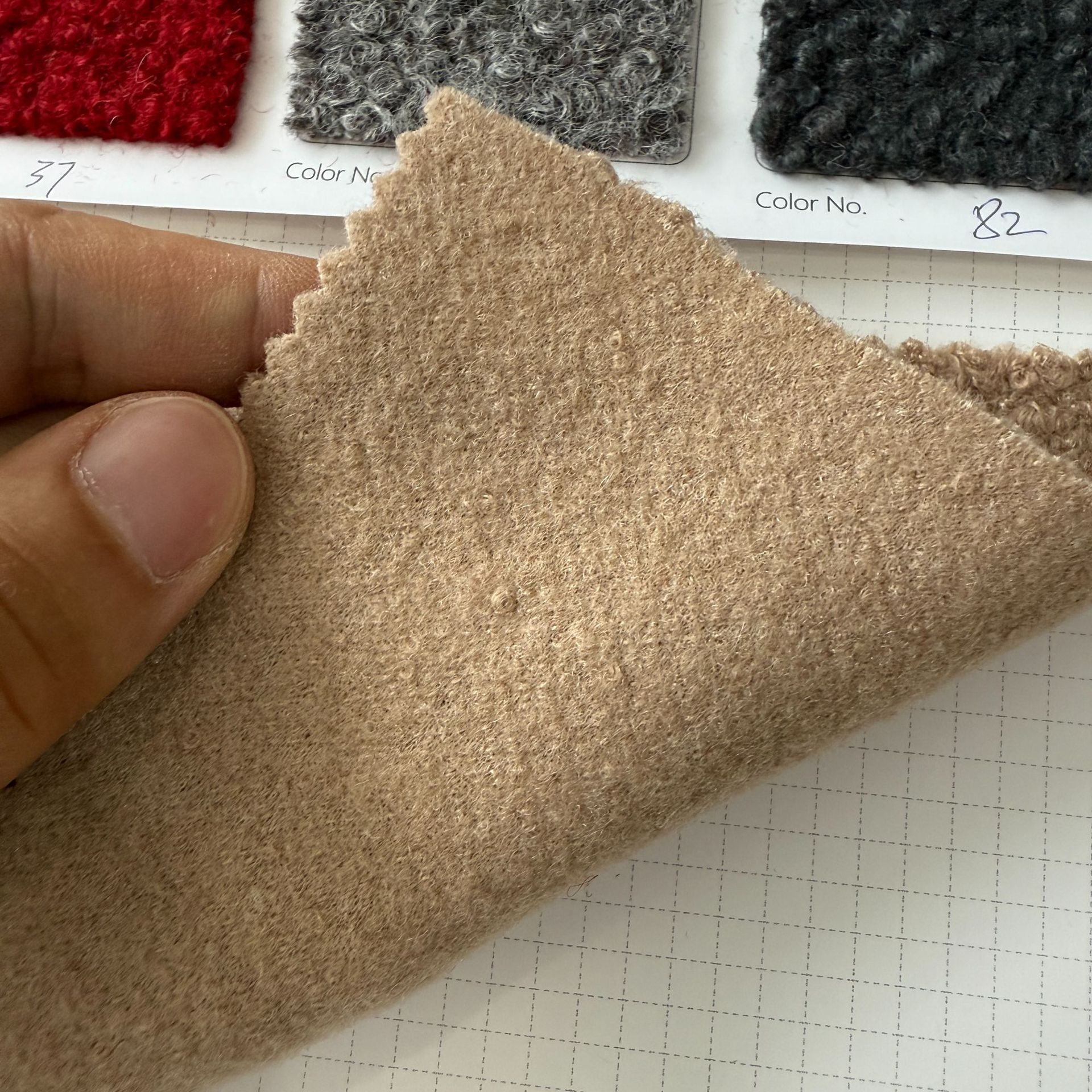
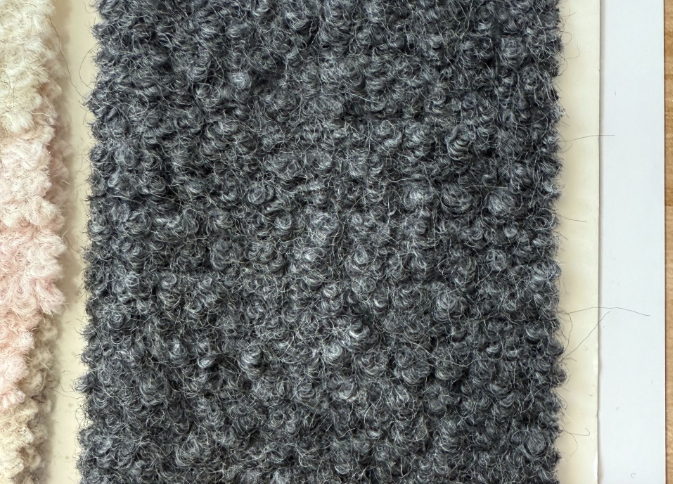
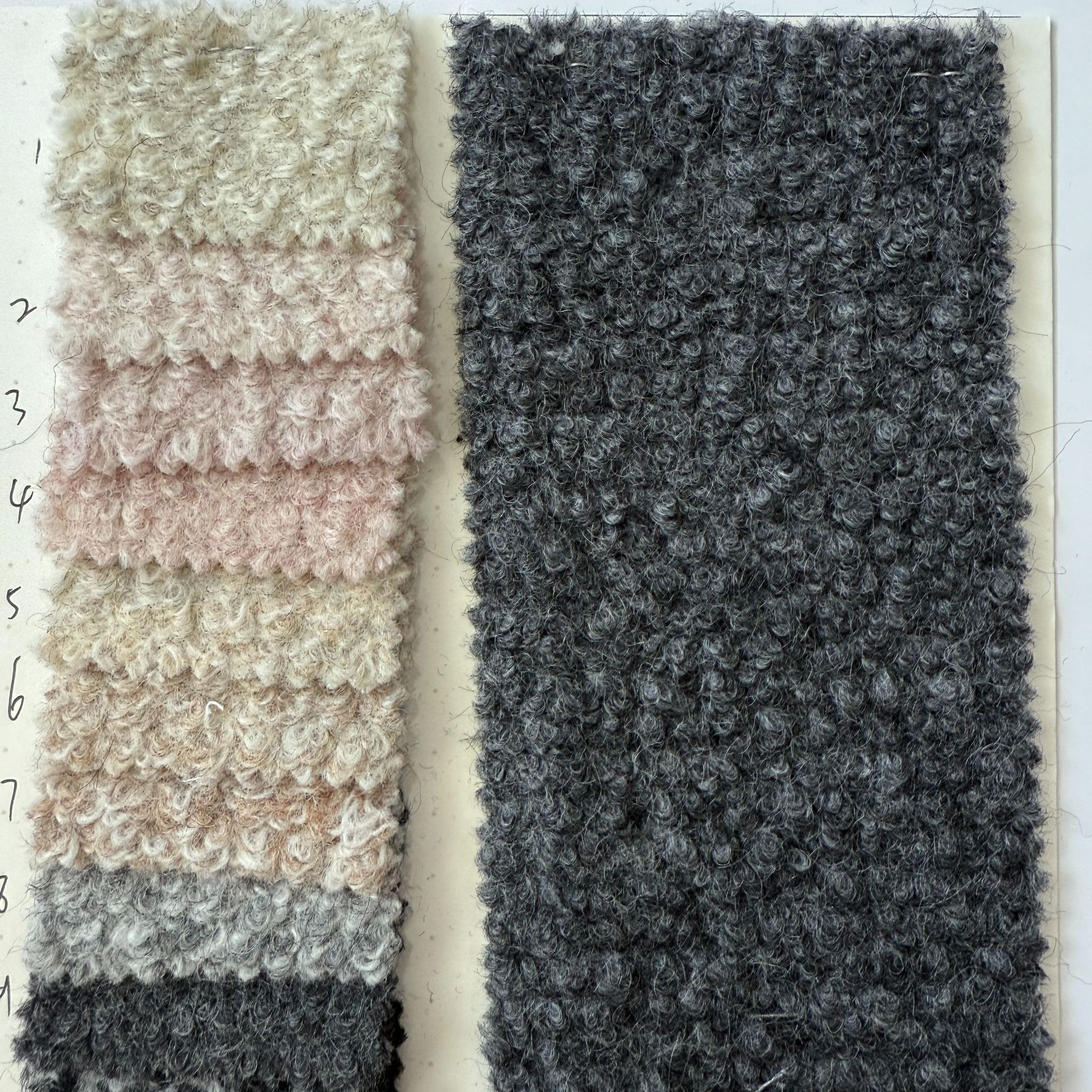
What “premium” actually means in this context
Let’s clear up a buzzword.
Premium boucle fabric isn’t about the highest weight or the finest yarn. It’s about how the fabric behaves in real garment production. Does it shift during cutting? Does the loop layer separate from the ground weave when you sew a dart? Does the edge curl after hemming? These practical issues determine your factory’s rejection rate, not some lab sheet.
I’ve worked with suppliers who talk endlessly about their fiber composition but can’t tell you the fabric’s bow and skew percentage. That’s a problem. For outerwear, you want bow/skew under 2%. Otherwise, your plaid or stripe patterns will walk diagonally across the coat front. Looks amateur.
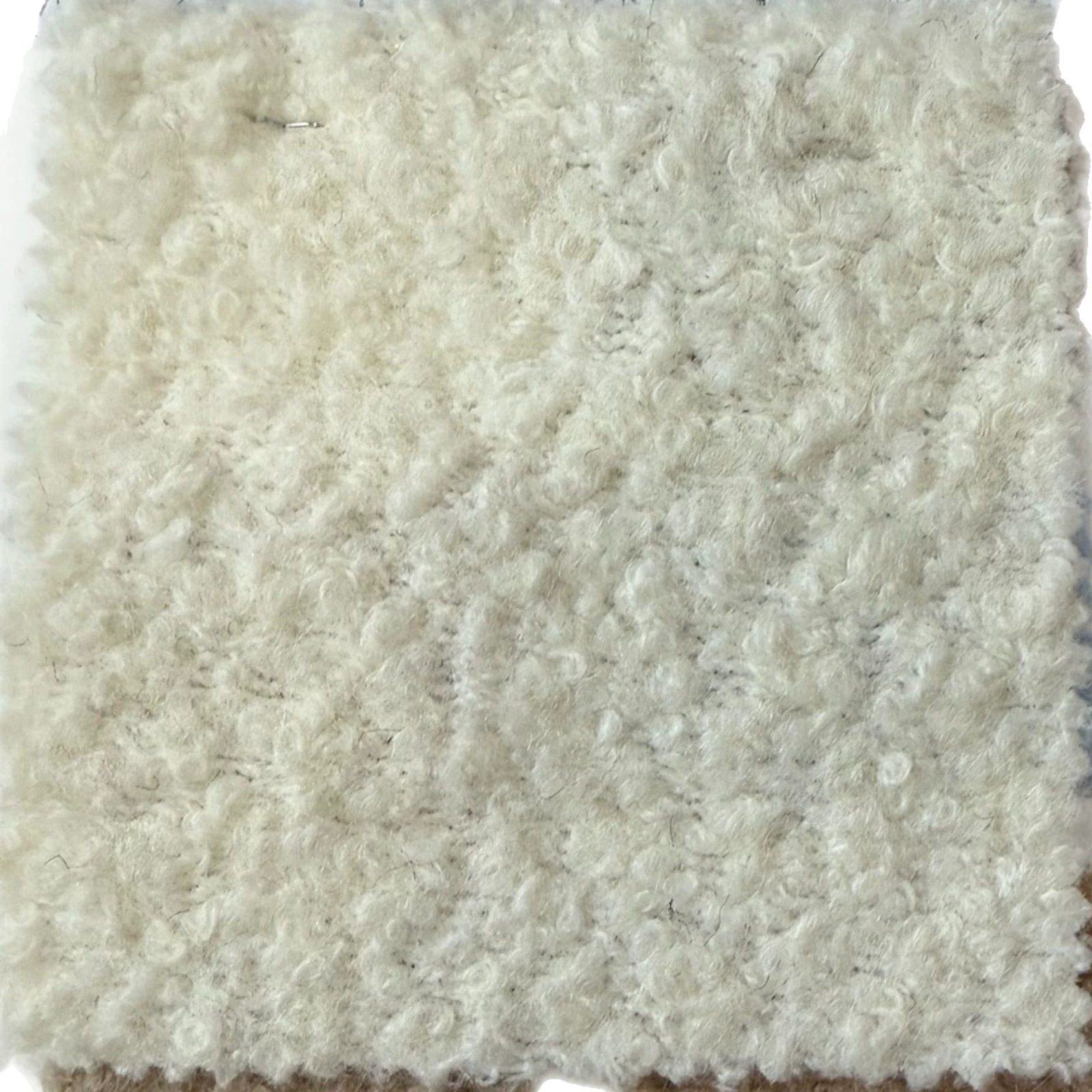
A quick note on price versus value
Everyone wants a deal. I get it.
But boucle fabric has a hidden cost dynamic: rework. A cheap roll that saves you $1 per yard might cause 5% more cutting waste because the loops are uneven and you can’t nest patterns efficiently. Or it might need extra fusing to stabilize the surface. Those costs add up fast.
So when I see a supplier offering “stable quality supply,” I check their repeat order rate. Not their MOQ, not their sample speed. Their repeat rate. If brands keep coming back, that tells you more than any certificate. Hangzhou Vogue Textile Co.,Ltd, for instance, shows a repeat rate above 60% on their boucle lines – which is high for this category. That means customers aren’t just buying samples. They’re buying production rolls, over and over.
Practical advice for your next purchase
If you’re sourcing premium polyester boucle for coats or jackets, do this:
Order 5 meters for evaluation. Then wash one meter (gentle cycle, cold water) and dry it flat. Measure the shrinkage. Good polyester boucle should shrink less than 2%. Then take another meter and rub it vigorously with a piece of Velcro hook tape for 30 seconds. That’s a brutal pilling test. If it pills, reject.