
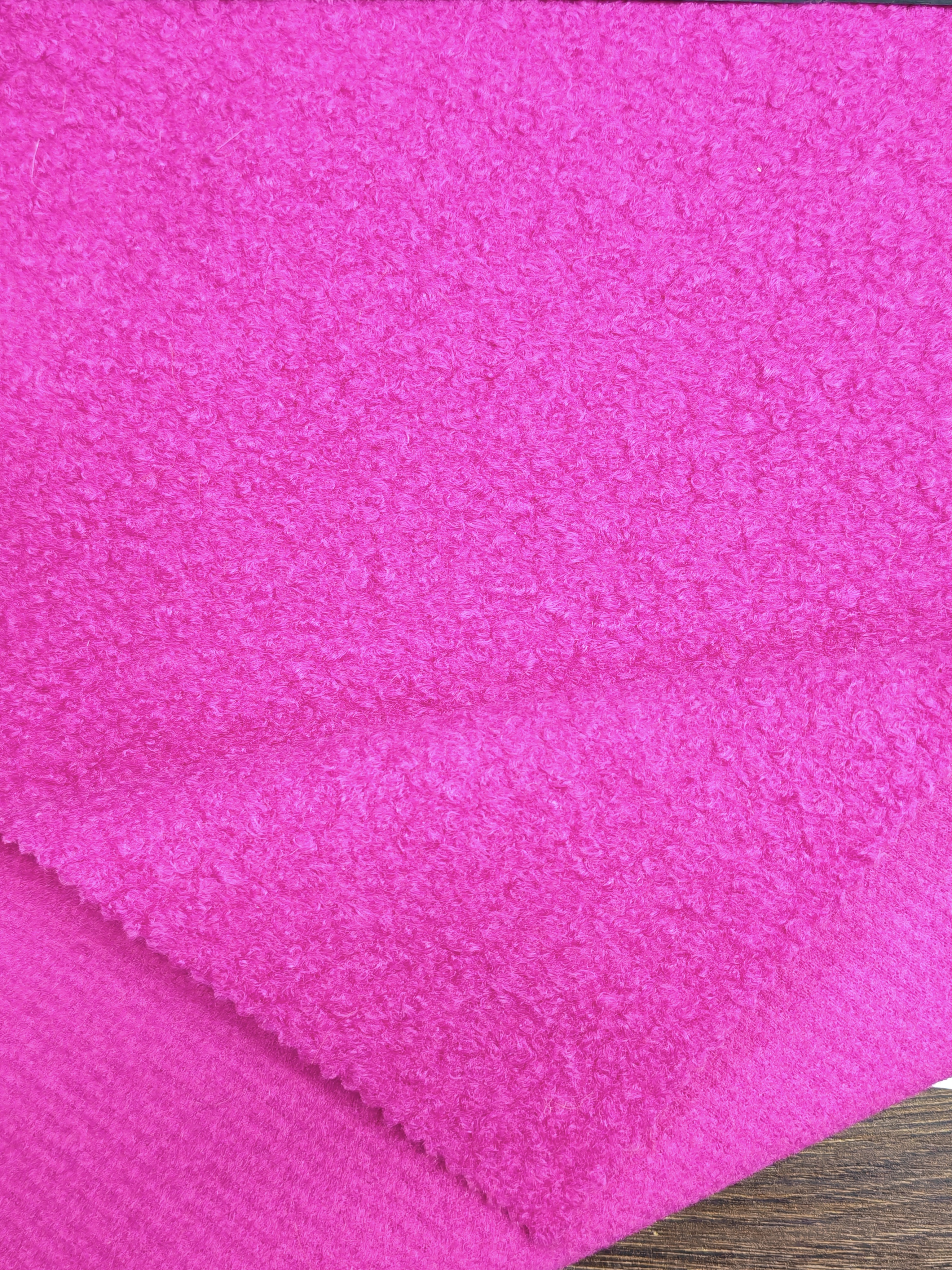
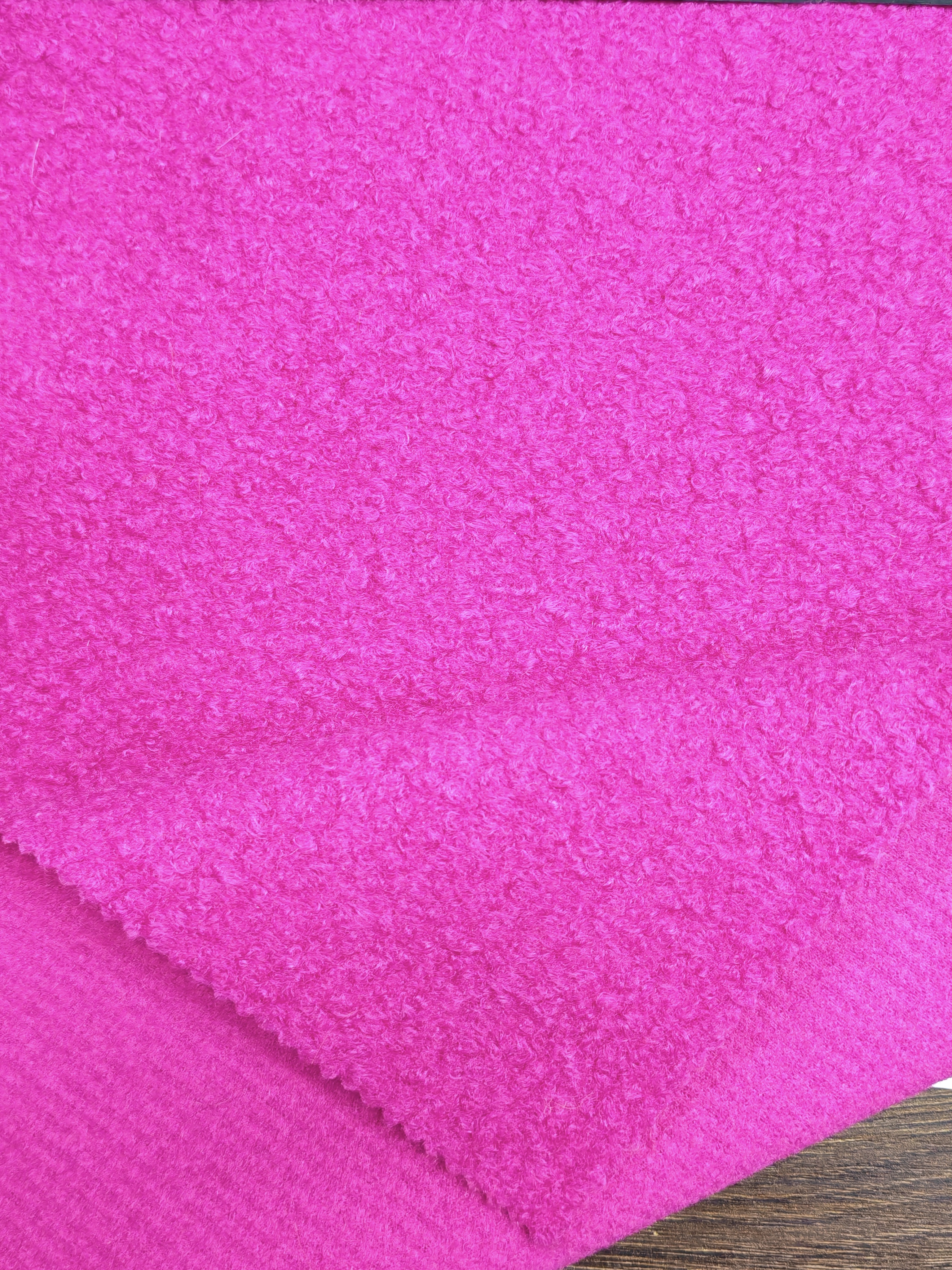
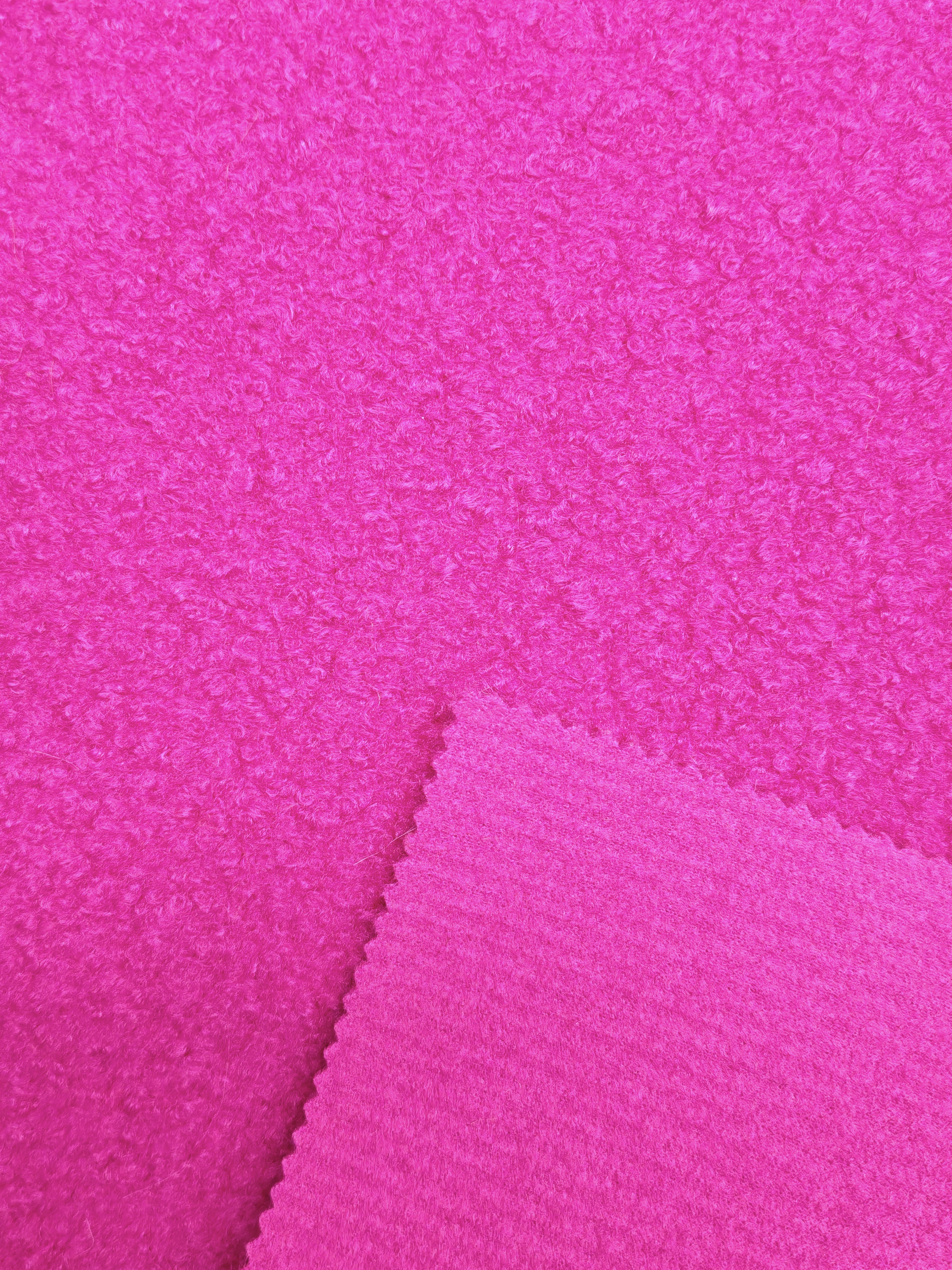
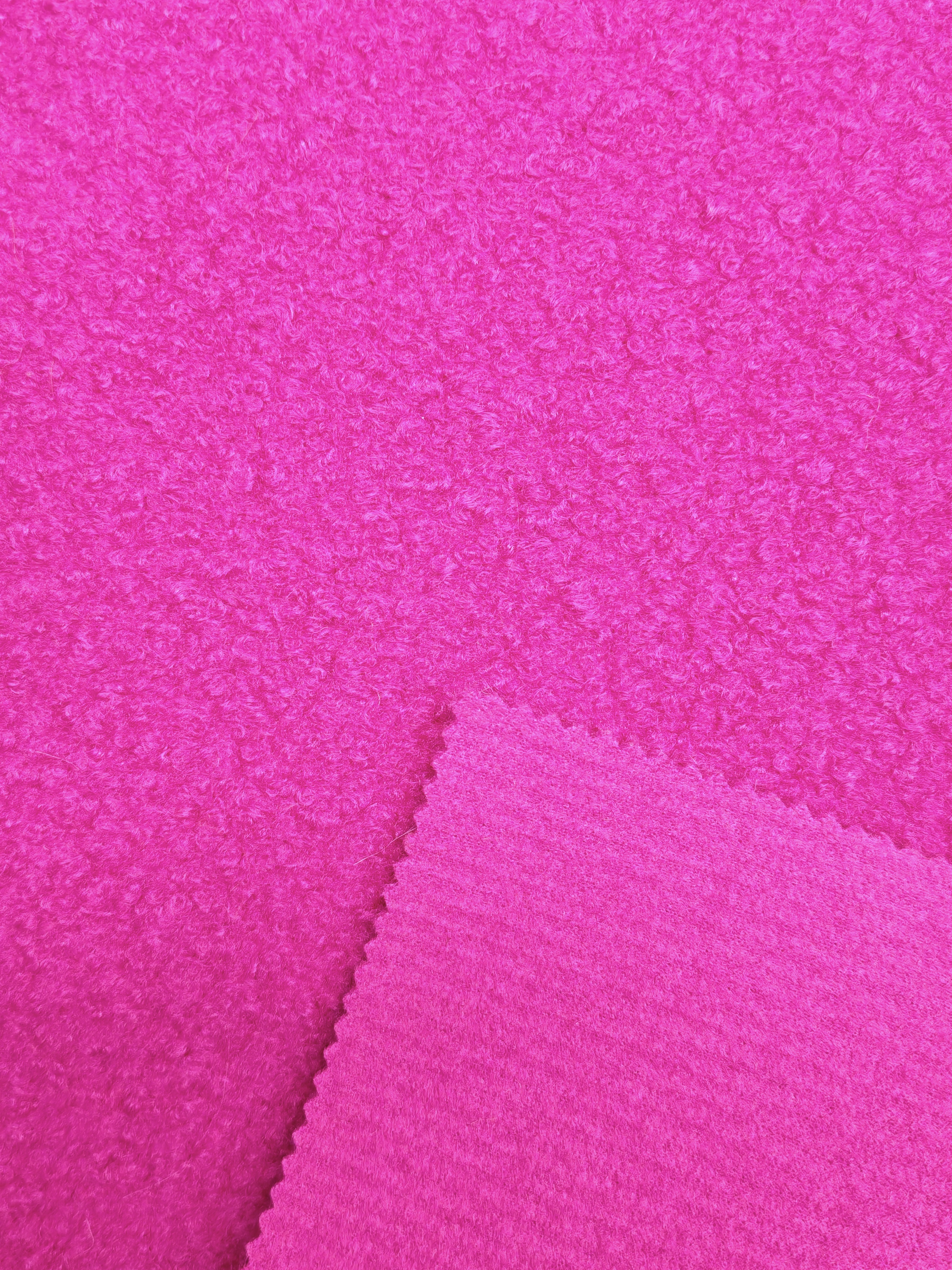
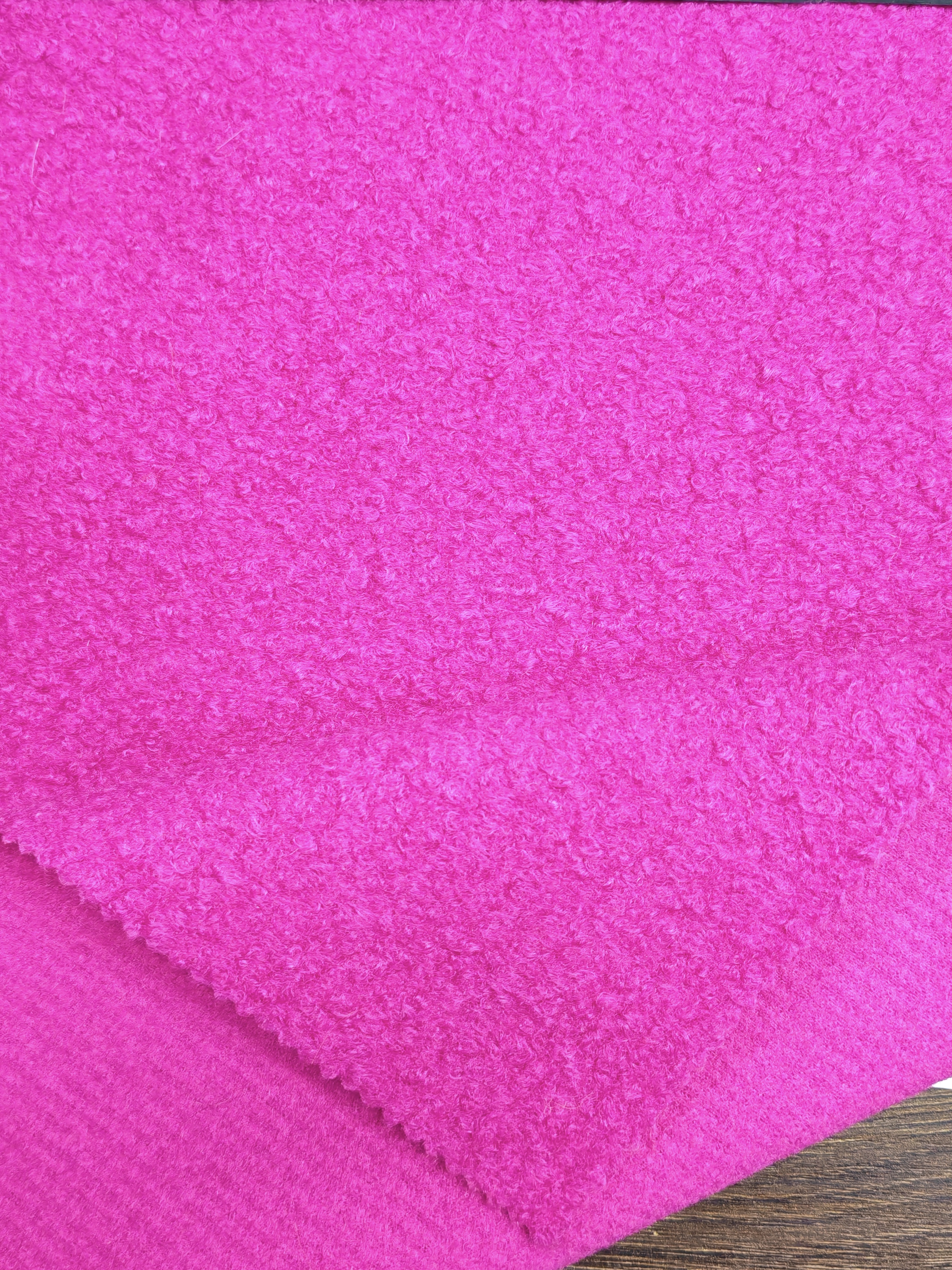
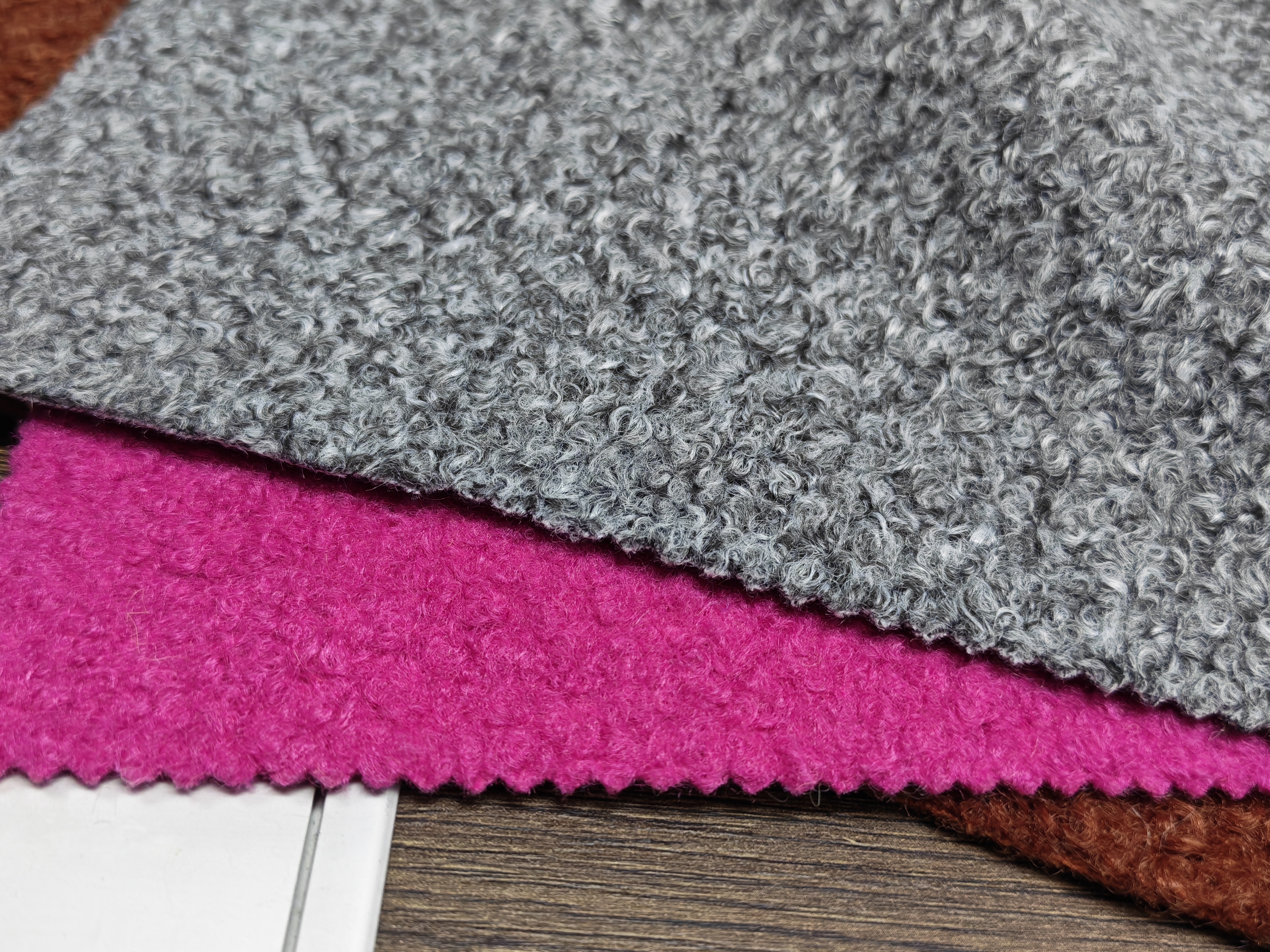
Soft Thick Boucle Fabric for Comfortable Ladies Fashion Outerwear from Teddy Fleece Fabric Supplier China
 |
|
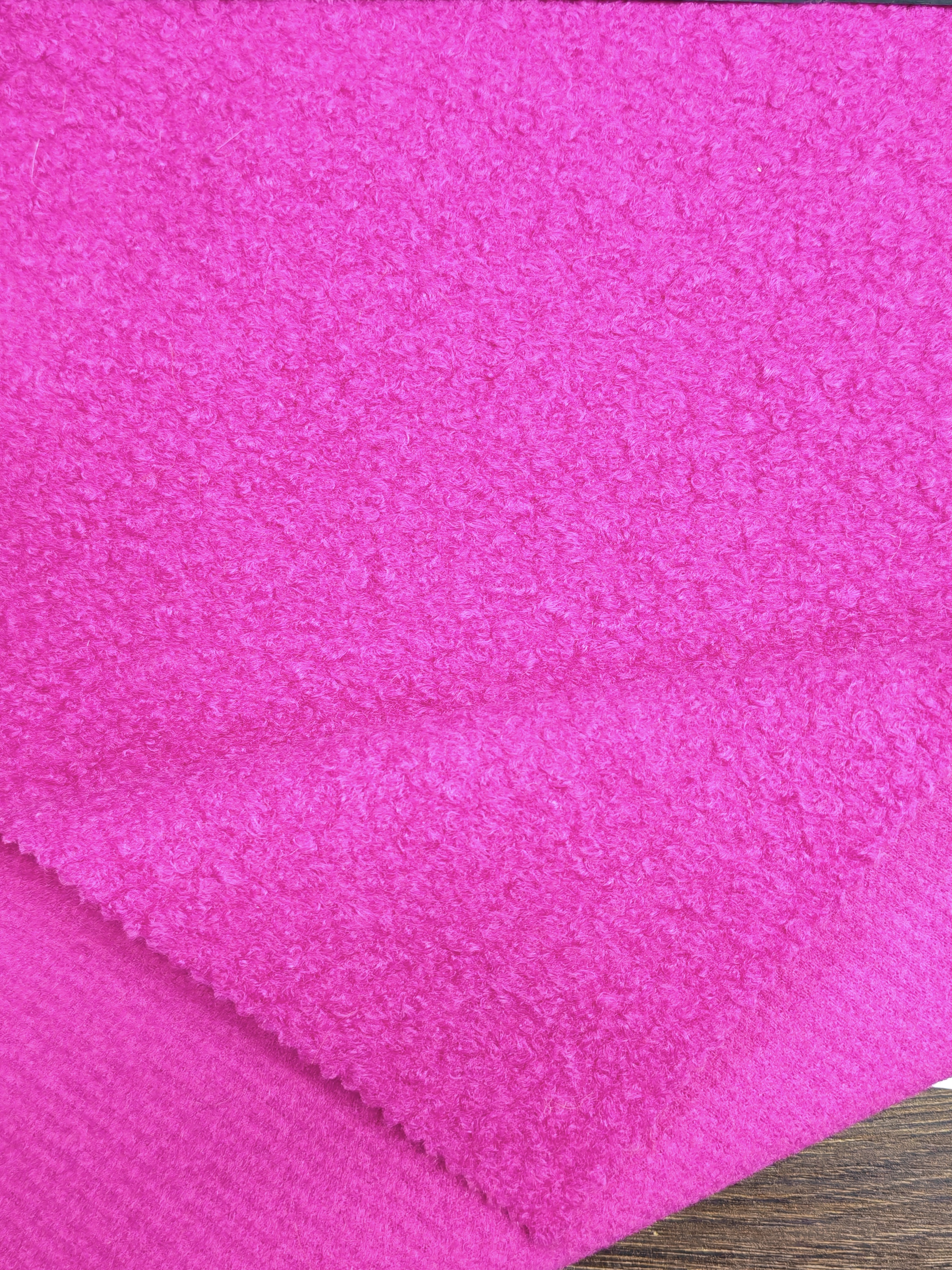
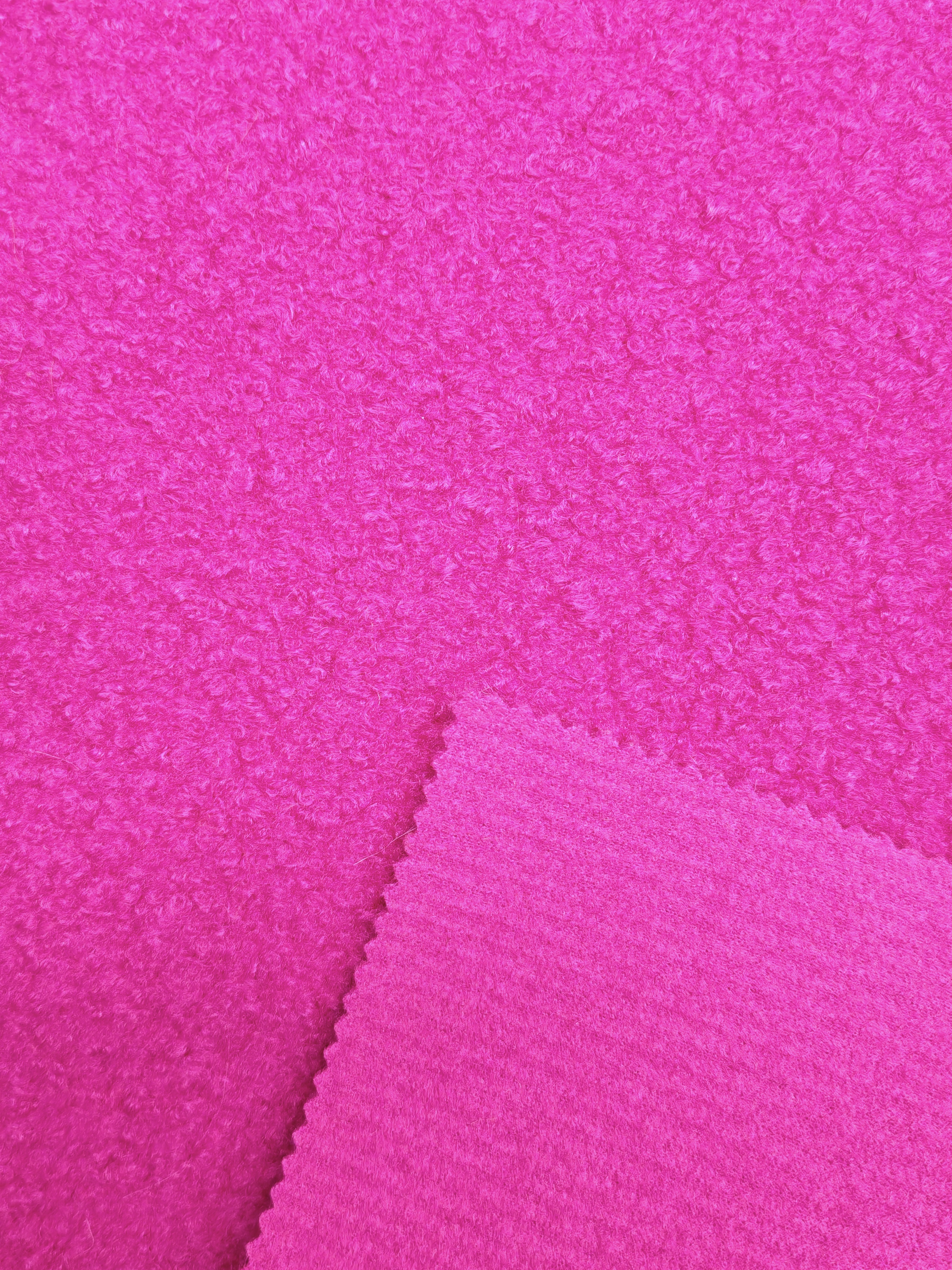
| Item No.: | VT23000509-2 |
| Comp.: | 100%Polyester |
| Weight: | 420GSM |
| Width: | 150CM |
Why the Softest Fabric You‘ve Never Prioritized Is About to Sell Out (And Why Teddy Fleece Is the Real Wake-Up Call)
Let me tell you something that surprised even me last month when I sat down to review search reports. Back in 2023, bouclé had a relatively quiet online search volume of 33.1K with a growth of +217%. That’s not a blip. That’s a full-blown category recalibration happening in real time.
Now, pair that with what’s shaping the 2025-2026 cold-weather landscape. Oversized coats are projected to grow at a CAGR of 4.6% through 2031, fueled by exactly the kind of relaxed, plush silhouettes that bouclé and teddy fleece do best. And teddy fleece jackets alone? The global market is projected to jump from USD 12.5 billion in 2023 to roughly USD 21.5 billion by 2032 — a steady 5.8% CAGR.
So when we talk about “soft thick curly fabric for comfortable ladies fashion outerwear,” we’re not chasing a fleeting mood. We’re chasing a structural shift in what consumers actually put their money on. Let me walk you through why — and why going straight to a proven manufacturer might be the easiest decision you make this quarter.

Bouclé Isn‘t Just Comfort. It’s a Smarter Investment.
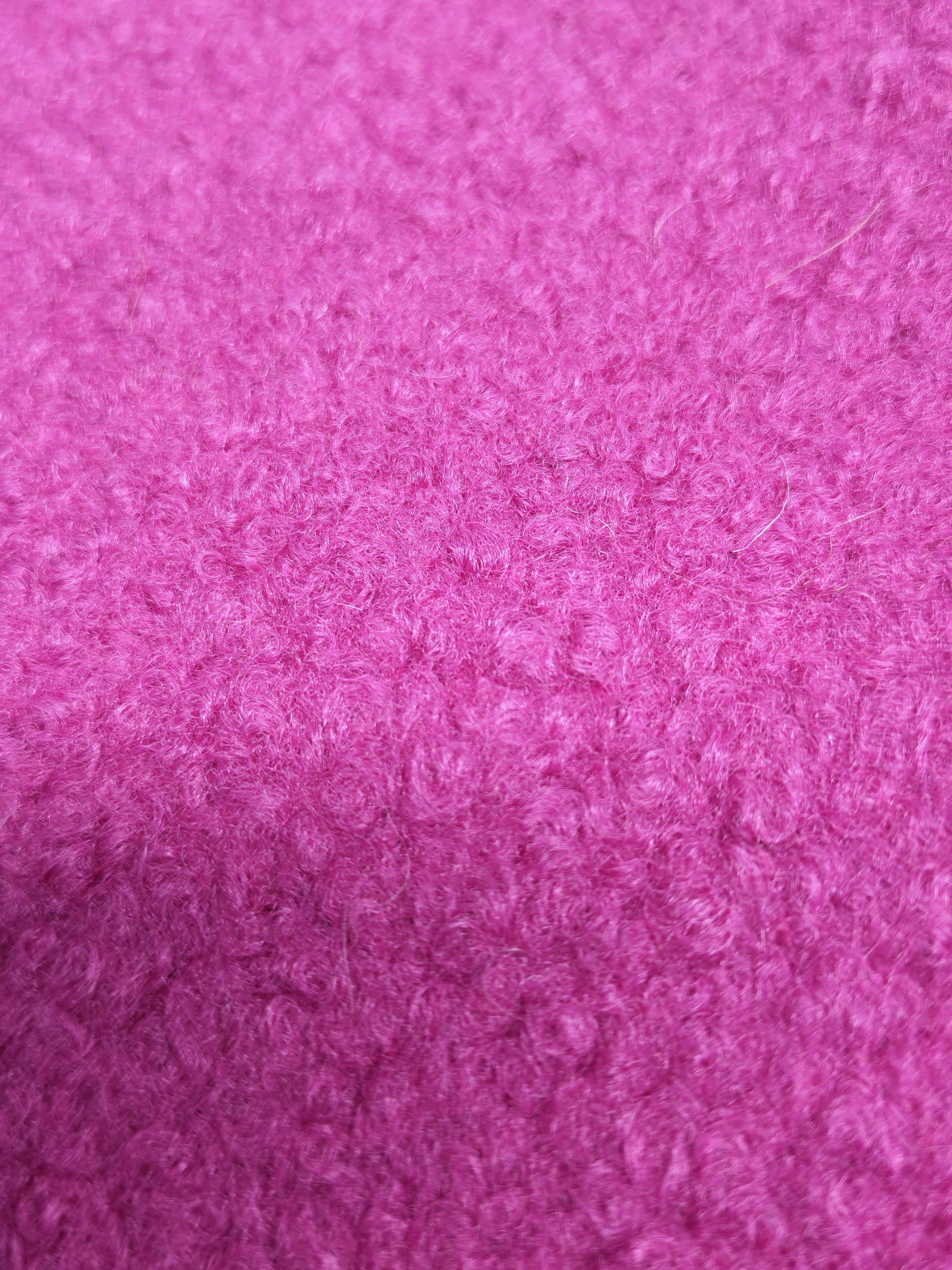
Bouclé’s signature looped structure does more than look expensive. Those loops trap warm air naturally — not because of some miracle fiber but because of basic physics. Air pockets between the curled yarns create dead-air space, which is what keeps a coat warm without needing to be suffocatingly heavy. You‘ve felt this if you’ve ever handled a well-made bouclé jacket. It holds heat beautifully while still allowing moisture to escape.
But what actually separates quality bouclé from the competition is what happens after a few months of wear. Cheaper constructions rely on surface fiber blends that haven‘t been properly finished. The loops flatten. The edges start to fuzz. Worse, they pill. And when a coat pills at the cuff or collar within six weeks of light use? That comes back as a return. You don’t need to explain to me why that hurts margin.
High-quality polyester bouclé solves this. When the effect yarn is properly twisted and the fabric gets the right anti-pill finishing, you‘re looking at Martindale results well above 30,000 cycles. That means the coat stays presentable through entire seasons — not just until the first Instagram post is shot. And because polyester won’t shrink or wrinkle like untreated wool blends, your customer can actually wash the thing. That‘s a sellable feature, not a footnote.
Teddy Fleece: Where the 2025 Market Data Gets Loudest
If bouclé represents textural sophistication, teddy fleece is its softer, louder sibling — and the data screams that buyers are listening. The high-pile, cut-pile construction of teddy fleece retains more heat than flat weaves, making it genuinely superior for wind-resistant outerwear. For brands that need to check the box on both warmth and weight, teddy fleece delivers without the bulk of traditional wool overcoats.
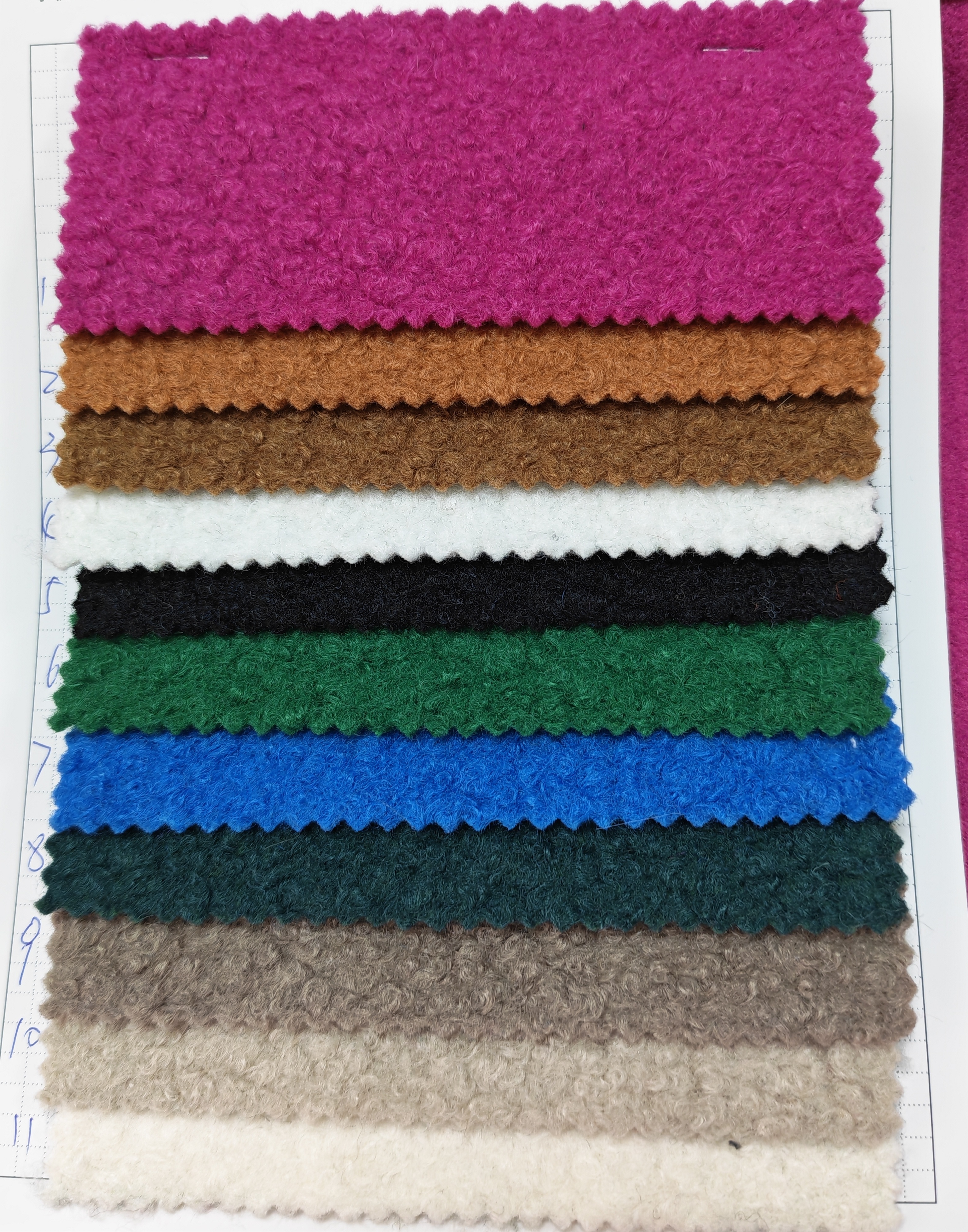
What‘s striking is how the color profiles have shifted. Beige and ivory remain safe bets, but 2025 insights from supply-side sources show that emerald and cobalt blue are growing fast among younger shoppers, while pastel teddy coats dominate Asian markets. That means a flexible supplier is worth more than a cheap one. If your manufacturer can shift from camel to mint green between orders without missing a beat, you’re in business.
The rise of recycled polyester also matters here. Teddy fleece has traditionally relied on virgin polyester, but consumer eco-awareness is real. Brands that can offer GRS-certified recycled polyester teddy fleece without compromising on plushness are going to win serious shelf space in 2026.
The 15-Year Advantage You‘re Actually Paying For
Here’s the part that doesn‘t show up on a spec sheet.
Fifteen years of woolen fabric manufacturing — particularly for mid-to-high-end brands — teaches a factory exactly where things go wrong. It teaches the operator how to calibrate loop height when humidity hits 80% in July. It teaches the dyeing team how to match a pantone shade when the base yarn supplier makes a small substitution. It teaches the finishing line when to back off on heat-setting to avoid killing the hand feel.
That kind of institutional knowledge doesn’t appear in product brochures. But when you place a 5,000-meter order and you need the first roll to match the last roll, that‘s when it earns its keep.
Factories that have made fleece for 15 years also know something that new operations learn the hard way: the same machinery that makes terry loops can be tuned to make bouclé loops, but only if you understand yarn tension the way a fleece specialist does. The learning curve is shorter. The waste is lower. And the end product feels intentional, not accidental.
What Most Suppliers Won’t Tell You About Pricing
Let me be direct. If a teddy fleece or bouclé price looks too good to be true, it probably is. The hidden cost isn’t the fabric‘s weight or fiber content — it‘s the rework rate.
A cheap roll of teddy fleece might save you $1.50 per yard upfront. Then your cutting team discovers the pile direction shifts halfway through the roll. Pattern nesting gets thrown off. Waste jumps from 8% to 15% overnight. Or the fabric feeds unevenly through your sewing line, causing skipped stitches and differential feed problems. Those costs get buried in your manufacturing overhead, but make no mistake — they’re real.
What you want instead is a supplier that charges a fair price but delivers fabric that behaves the same way from roll to roll, week to week, season to season. That consistency allows your production team to set their machines once and run with confidence.
Custom Colors and Quick Sampling: The Quiet Differentiator
Off-the-shelf colors have their place. But for brands that actually want differentiation, the ability to match custom colors without insane lead times is a game-changer.
Polyester-based bouclé and teddy fleece take color more vibrantly than natural fibers — I‘ve seen both outperform wool blends in saturation and uniformity. And because the base material isn’t subject to the same seasonal sourcing fluctuations, the color matching process is inherently more predictable.
A competent manufacturer will offer free samples within 7-10 business days and maintain reasonable MOQs that don‘t force you to overcommit on an untested color. That’s not a luxury. That‘s baseline competence. But you’d be surprised how many suppliers don‘t meet it.
Where the Market Is Headed — and How to Get There First
The combination of soft thick bouclé and teddy fleece isn‘t going to disappear after one winter. The underlying consumer demand for tactile, emotionally satisfying clothing isn’t a trend — it‘s a reaction to years of slick, cold minimalism. People want to touch what they wear. They want their coats to feel like a hug.