
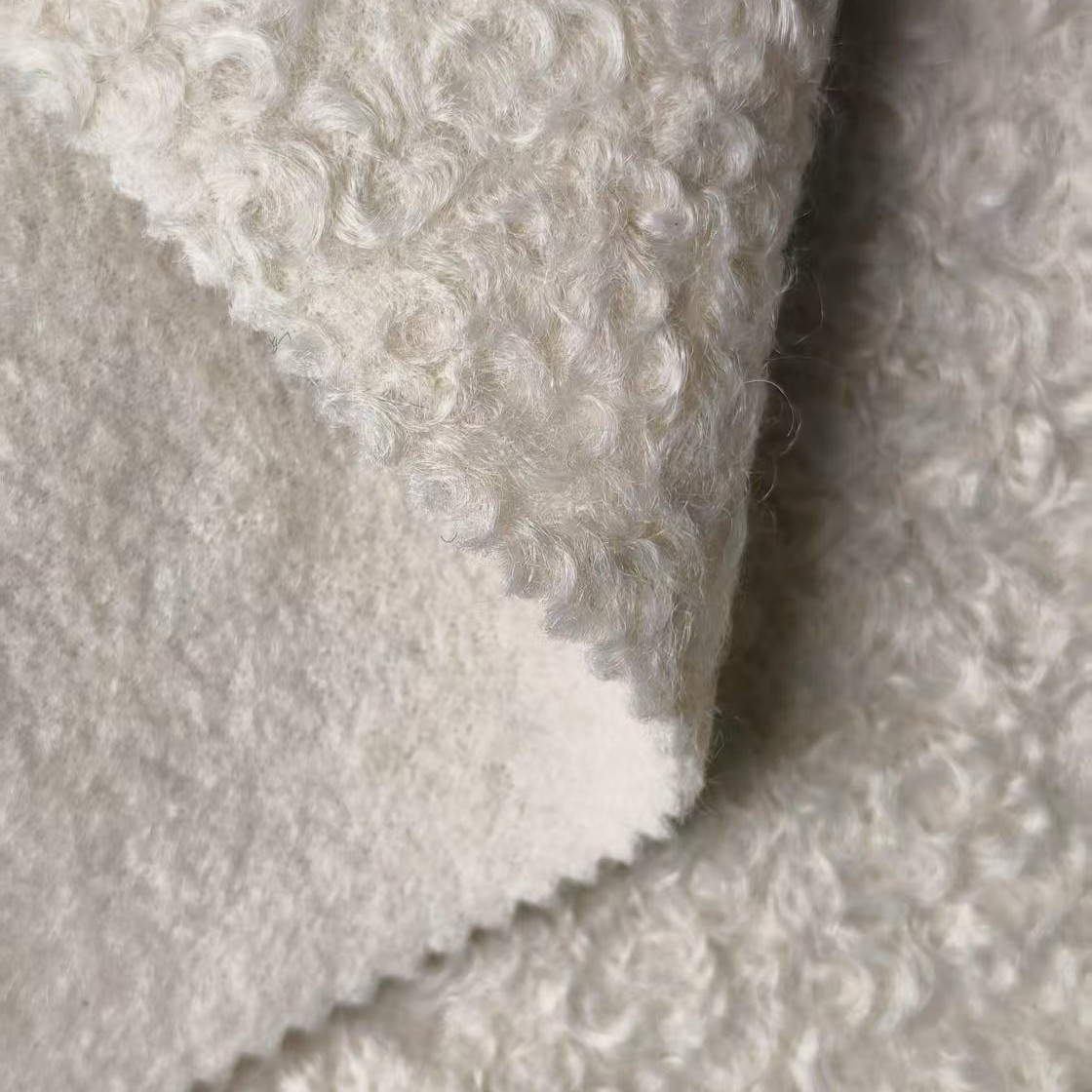
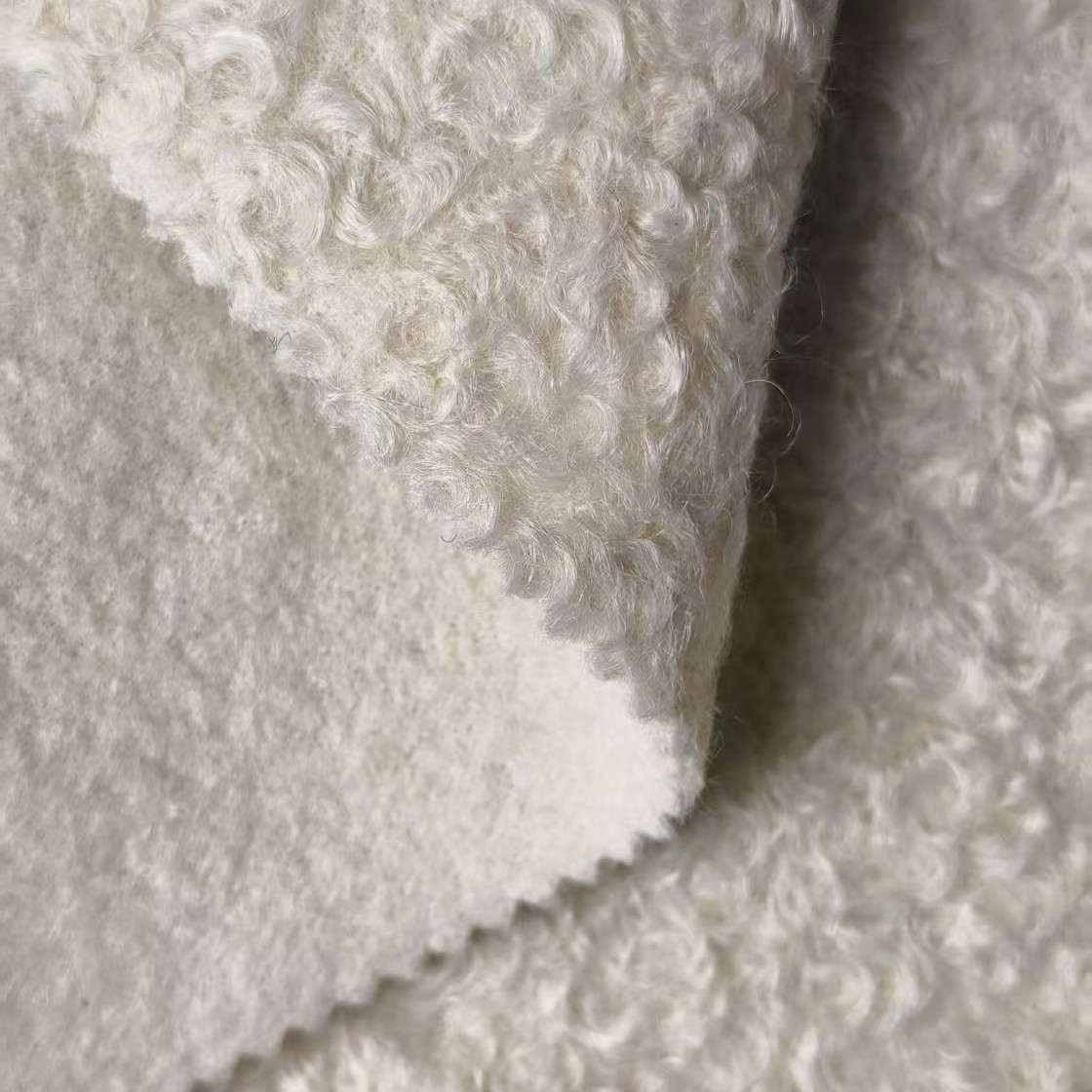
Wholesale Boucle Tweed Fabric with Wool Blend and Polyester Options for Different Garment Design Demands
 |
|
| Item No.: | VT25060471-1# |
| Comp.: | 100%Polyester |
| Weight: | 400GSM |
| Width: | 150CM |
Let’s be honest—tweed hasn’t always been the easiest fabric to work with. Stiff, heavy, sometimes itchy. But bouclé tweed? That’s a whole different animal.
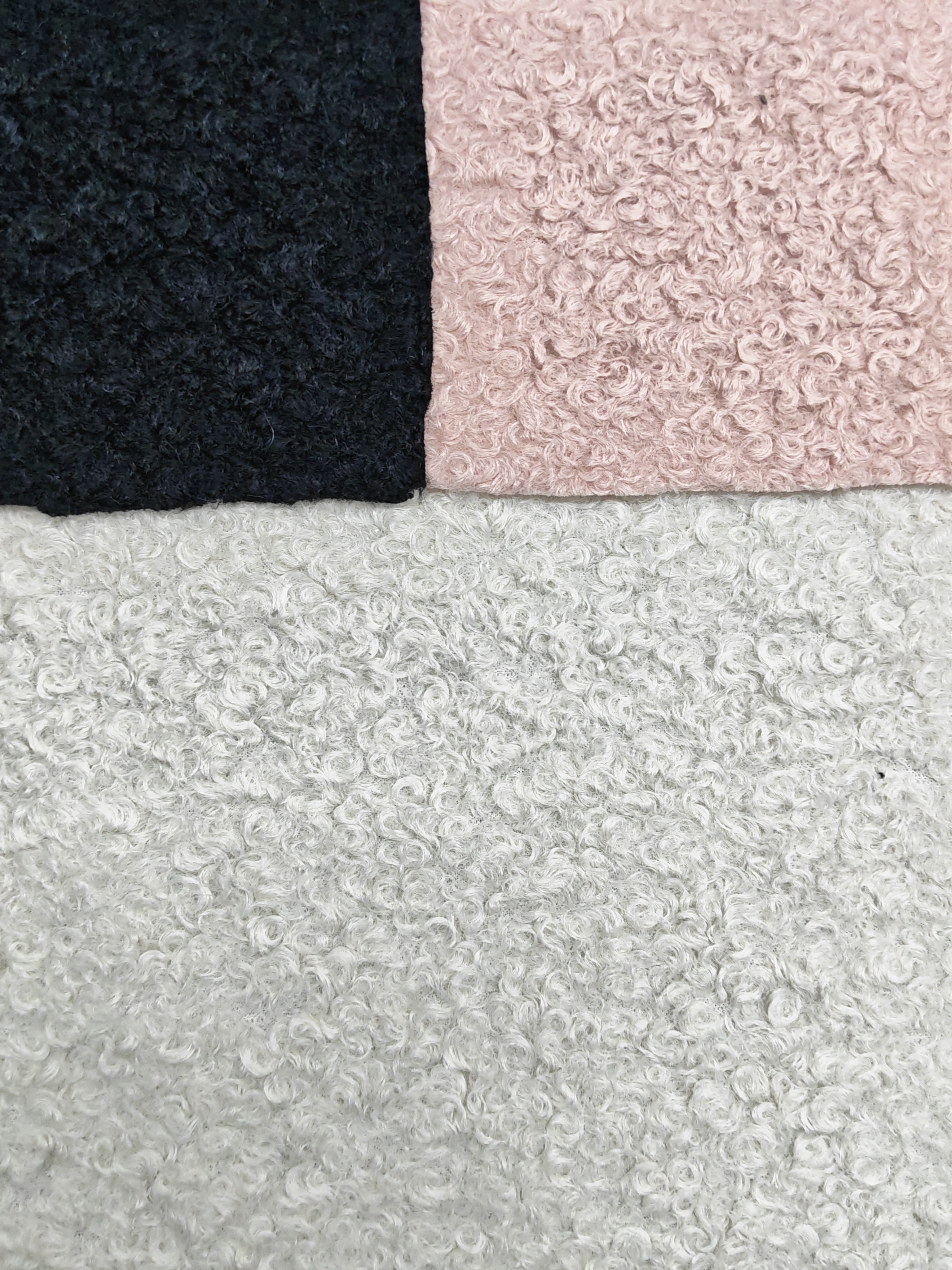
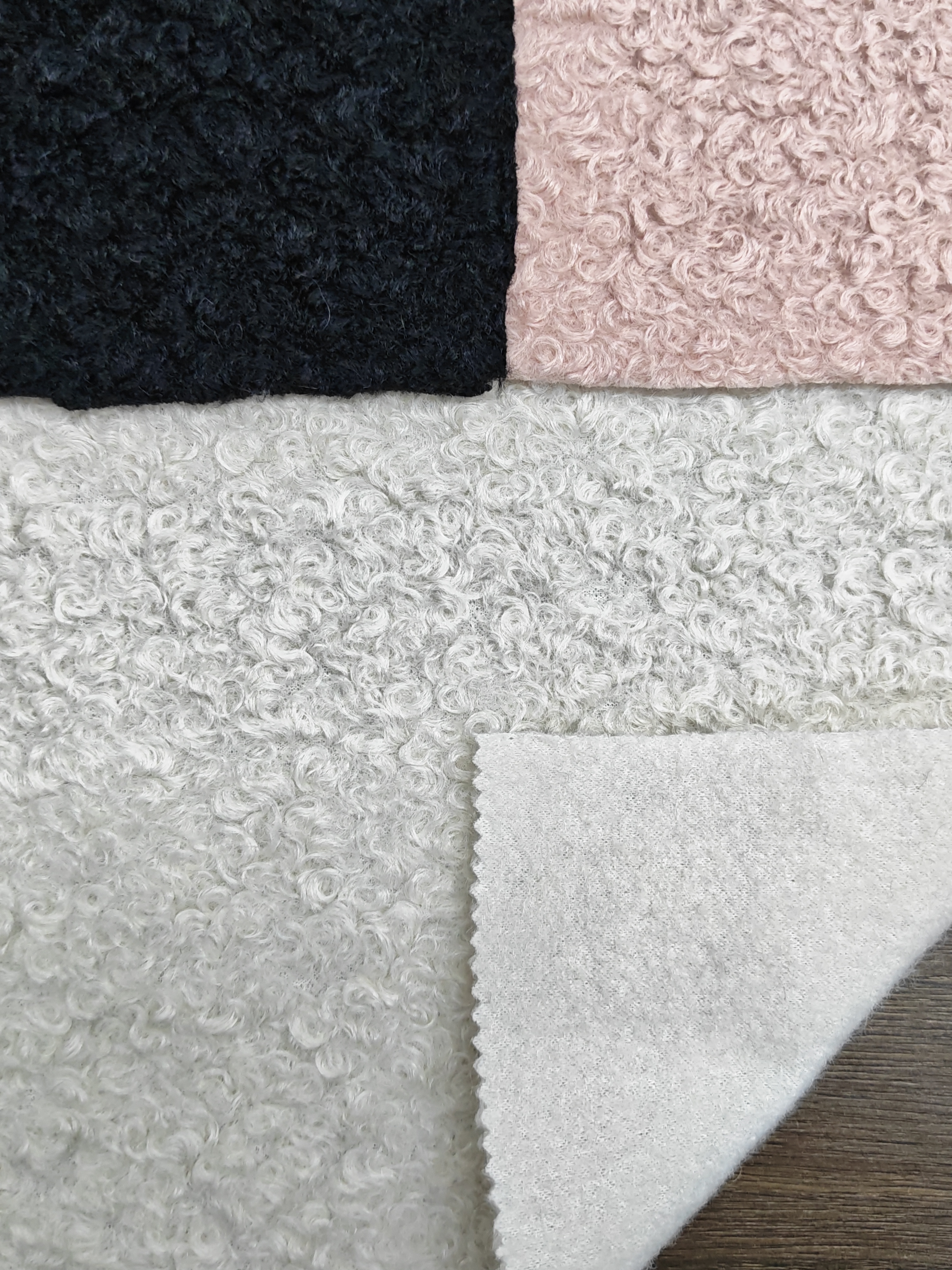
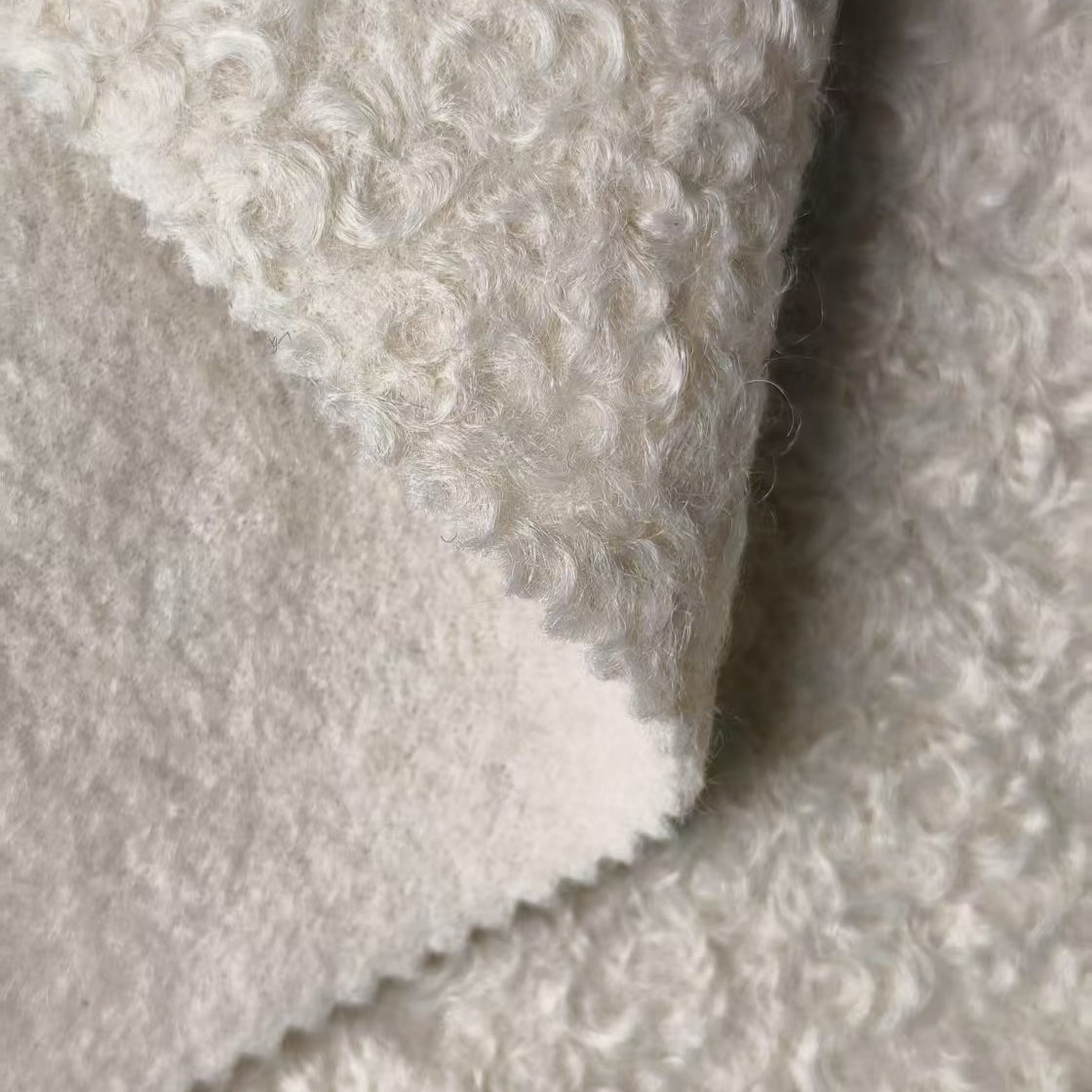
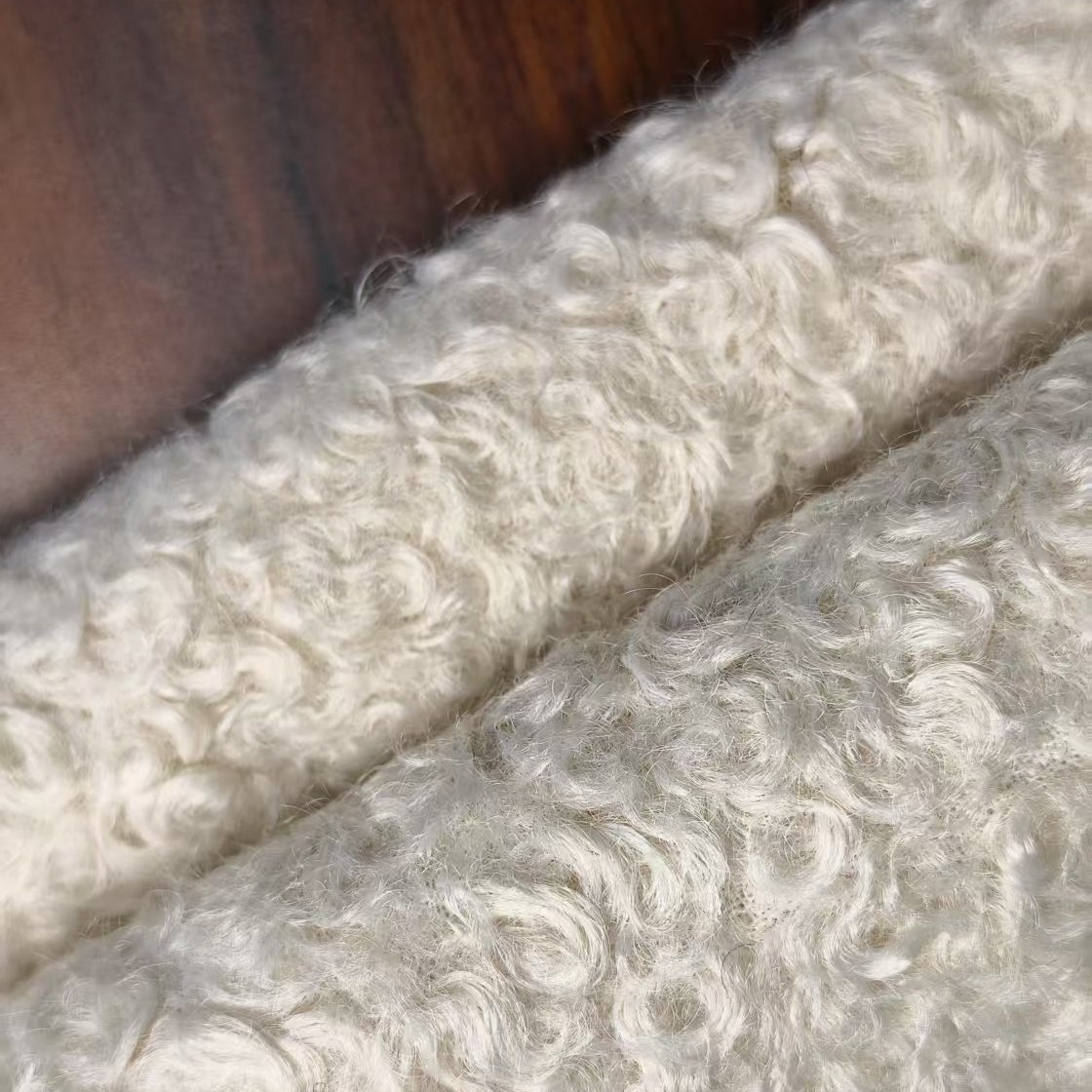
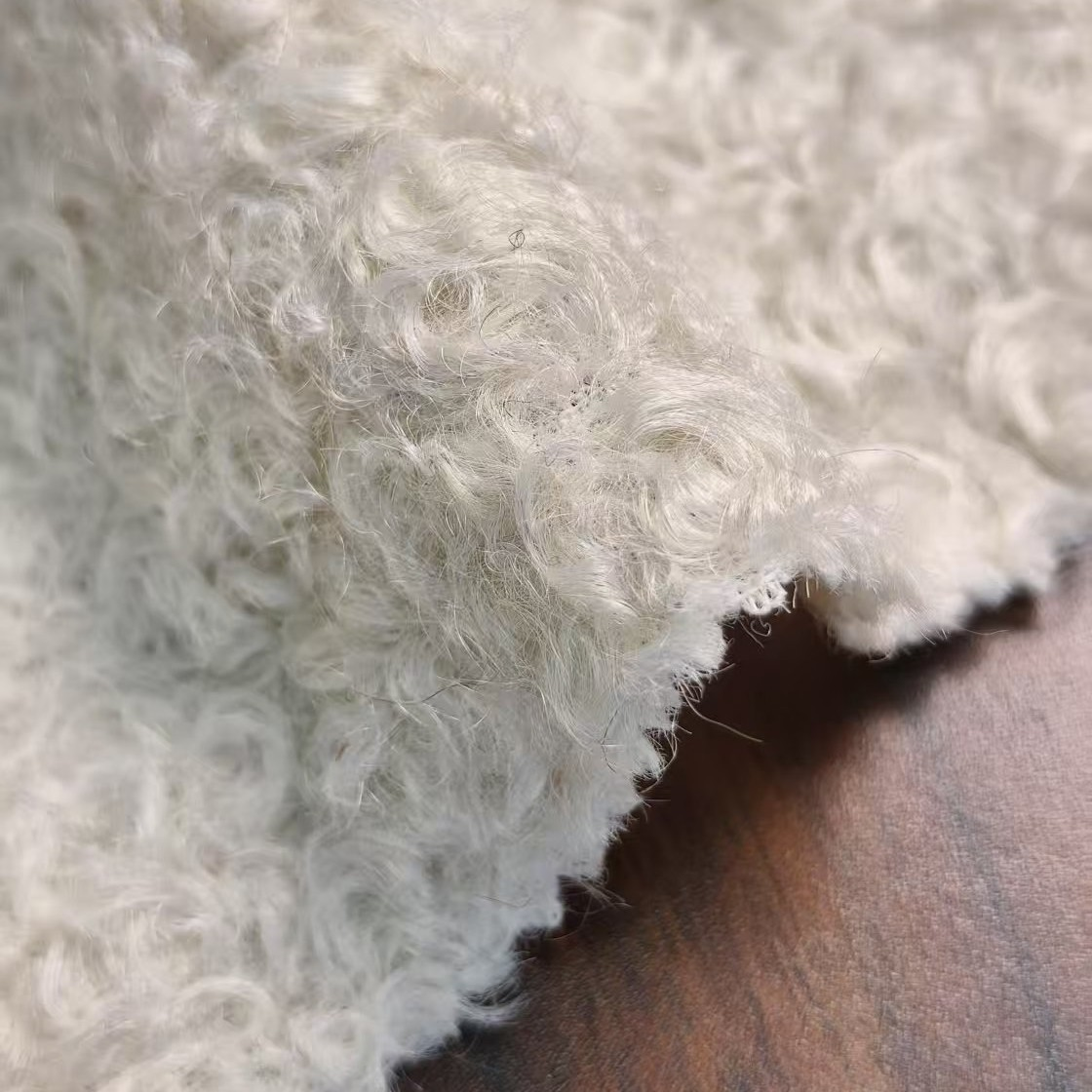
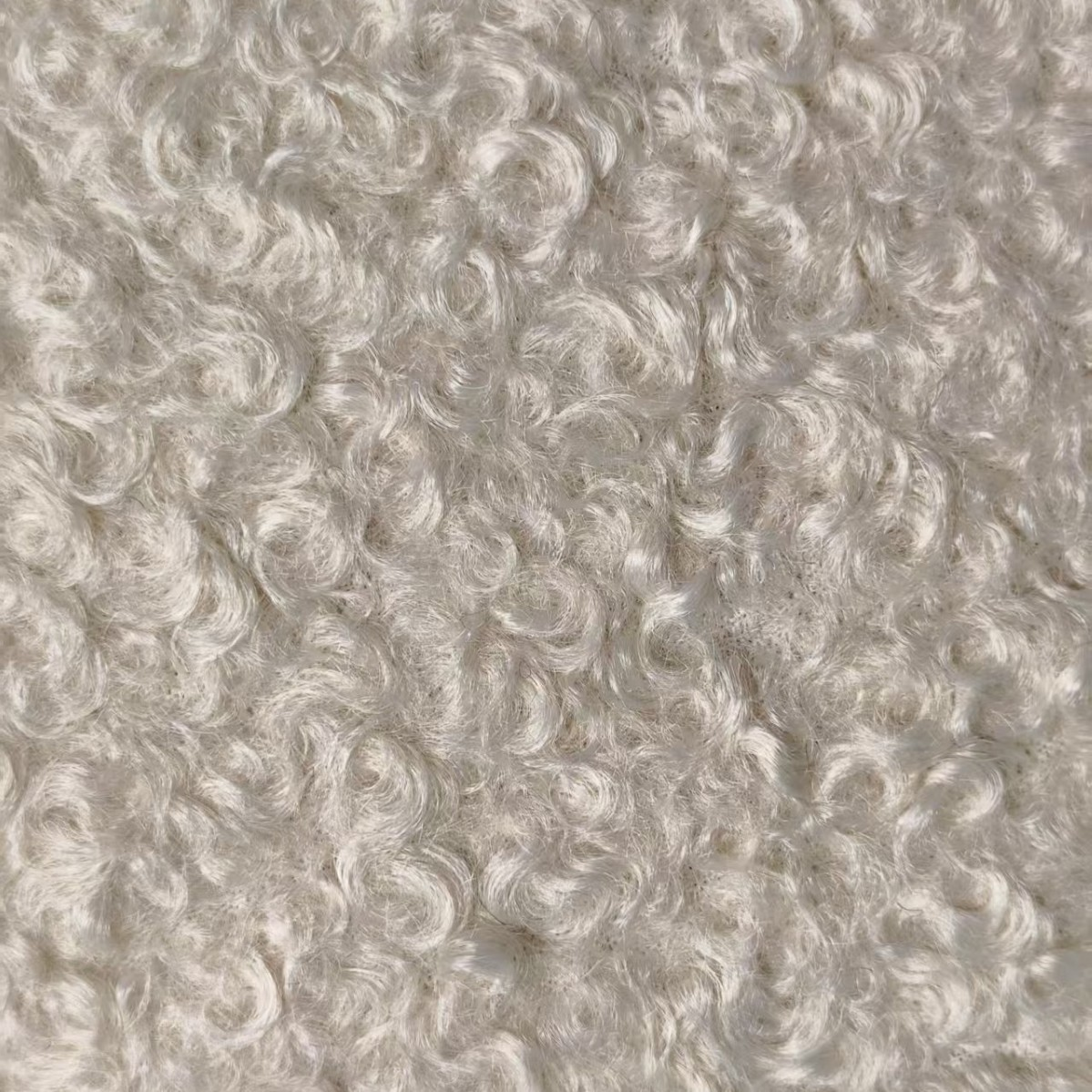
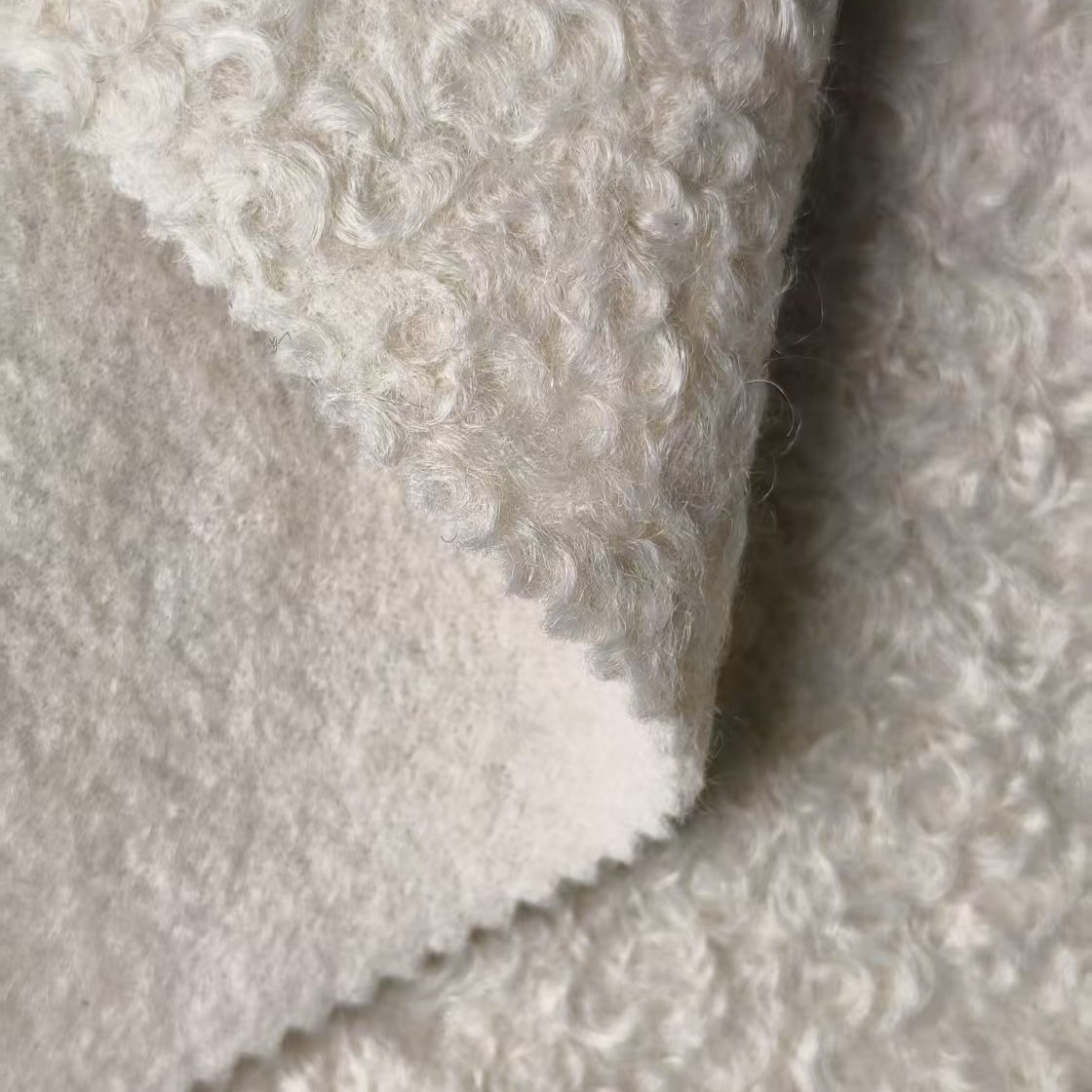
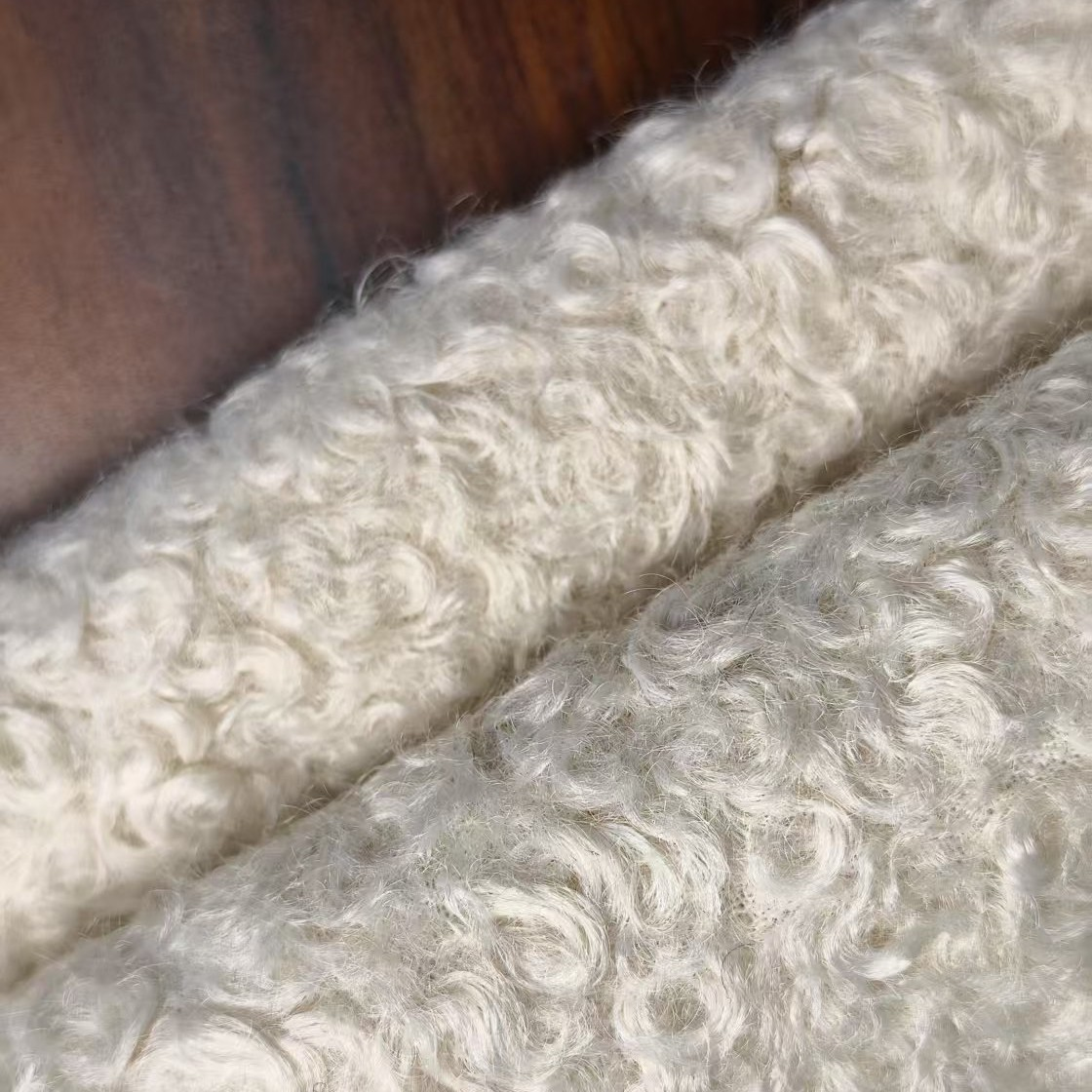
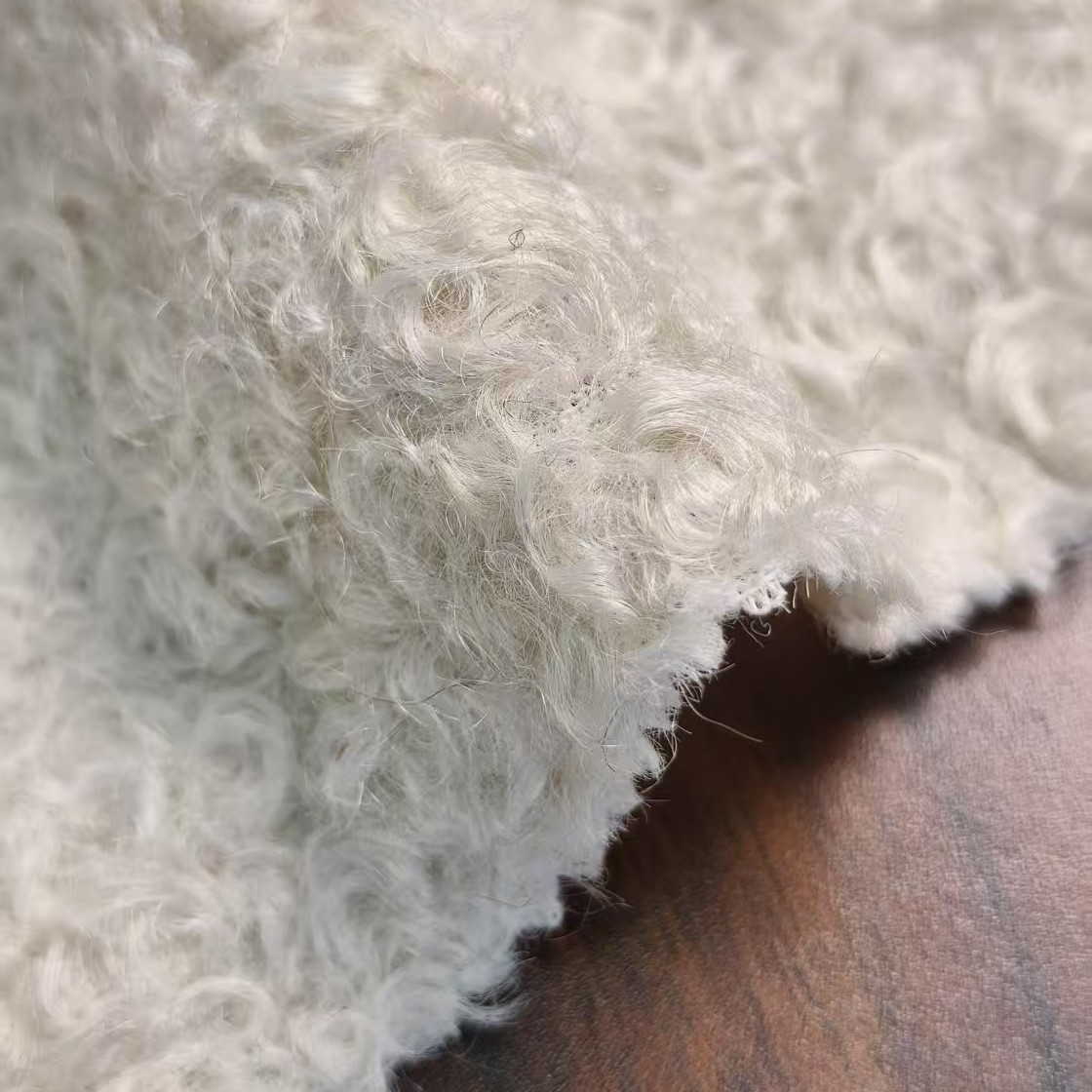
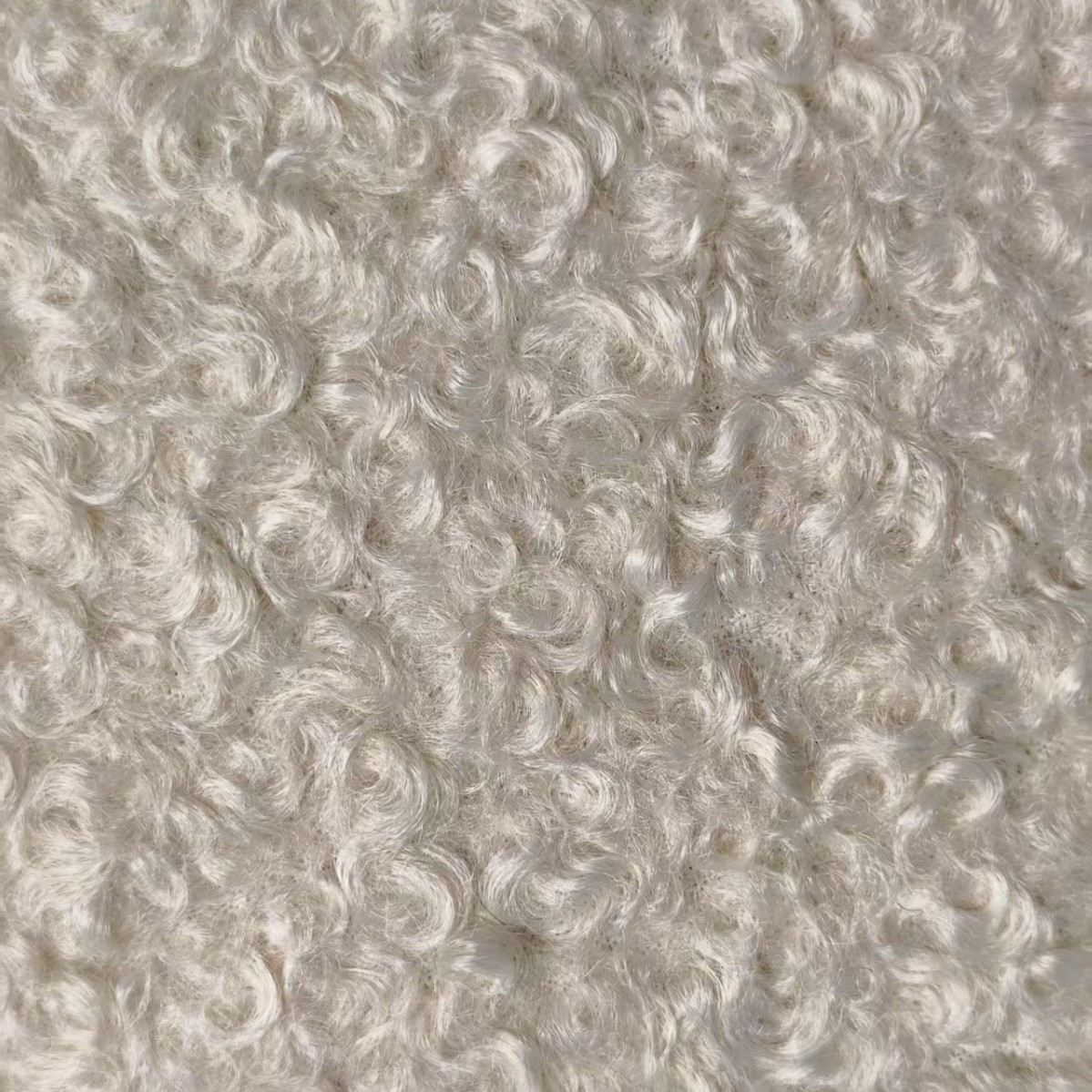
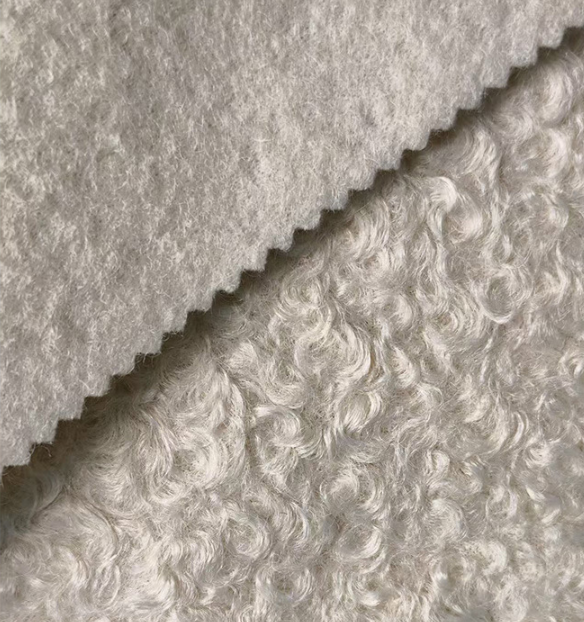
Bouclé tweed takes the classic herringbone or houndstooth structure and throws in those little loopy curls on the surface. You get the texture of traditional tweed, sure, but with a softness that actually makes people want to touch it. I’ve seen designers literally rub their cheeks against sample swatches. No joke.
Wool blend vs polyester: why offer both?
Here’s something I learned after about eight years in this trade: never assume your customer wants the “best” fiber. They want the right fiber for their price point and end use.
Wool blend bouclé tweed (typically 50–70% wool mixed with nylon or acrylic) gives you that natural crimp and moisture-wicking property. It breathes. It feels expensive because, well, it is. But it also shrinks if somebo dy throws it in a hot wash. (See that typo? That’s what happens when I type faster than my brain.)
Polyester options, on the other hand, have come a long way. The good grades mimic wool’s hand feel almost perfectly—I’m talking about anti-pill, textured polyester that doesn’t scream “plastic.” And the advantage? Dimensional stability. You can cut a polyester bouclé coat, ship it across the ocean, hang it in a humid shop, and it’ll still hold its shape. Try doing that with a cheap wool blend.
What garment types actually work with these fabrics?
You’d be surprised.
Tailored jackets need structure. Wool blends shine here because the fiber’s natural memory helps lapels stay crisp. But if you go polyester, pick a heavier weight (450+ gsm) and add a fusible interlining. Otherwise the loops flatten at the roll line—ugly.
Relaxed cardigans and open-front coats love polyester bouclé tweed. No interlining needed. The fabric just drapes. I’ve seen brands use it for those oversized “Instagram influencer” coats that look like you’re wearing a blanket. Works perfectly.
Skirts and dresses are trickier. Bouclé tweed has bulk. If you make an A-line skirt, the hem will flip outward unless you edge-stitch or add a lining that’s cut slightly shorter. A little tip: wool blend handles this better than polyester because you can steam-shape the hem. Polyester? Once it’s heat-set, it’s set.
Hangzhou Vogue Textile Co.,Ltd—yeah, I’ve worked with them a few times—keeps both options in stock, which is convenient if you need samples fast. But honestly, any serious wholesaler should offer at least three variations: high-wool for luxury, mid-wool for balance, and all-poly for affordability.
The hidden cost of “cheap” bouclé tweed
Okay, rant incoming.
I’ve seen factories take polyester bouclé, skip the anti-pill finish, and sell it at $4 per yard. The loops look fine on the roll. Then you sew a sample coat, wear it for a week, and suddenly the cuffs look like a dog chewed on them. Pilling everywhere.
You want to avoid that? Ask your supplier for two things: Martindale test results (minimum 25,000 cycles for outerwear) and a hand-wash swatch they’ve already abused. If they hesitate, walk away.
Polyester bouclé that’s done right—with twisted effect yarns and proper heat setting—won’t pill. I’ve got coat samples from three years ago sitting in my office. Still clean.
Color and pattern: where the fun starts
Bouclé tweed isn’t just about neutrals anymore.
The looped surface holds dye differently than flat woven cloth. Dark colors (navy, charcoal) tend to look deeper because the loops create tiny shadows. Pastels can look muddy unless the base yarn is pre-dyed before looping. That’s why custom colors cost more—you’re not just dipping a finished roll into a bath; you’re planning the color at the yarn stage.
Melange effects are huge right now. Two or three different colored yarns twisted together before looping. The result looks like speckled confetti. Super popular for women’s spring coats.
One thing nobody tells you: polyester takes color more vibrantly than wool. So if you want a bright coral or emerald green bouclé tweed, go with the polyester option. Wool will give you a more muted, heritage feel.
Minimum orders and lead times (the boring but necessary part)
Wholesale bouclé tweed isn’t something you buy off the shelf like cotton poplin. Most suppliers run on a batch system.
For wool blends, typical MOQ is 500–1000 meters per color. Polyester can go lower—sometimes 300 meters—because the yarn supply is more predictable. Lead times? 30 to 45 days if the factory has empty looms. Add two weeks for custom color matching. Add another week if you want a specific loop height (yes, you can spec that—typically 2mm to 5mm loops).
Hangzhou Vogue Textile Co.,Ltd once told me they keep about 20 colors in stock for their polyester bouclé line. That’s unusually high for a factory. Most just produce to order.